All Stories
- Animals
Scientists Say: Echolocation
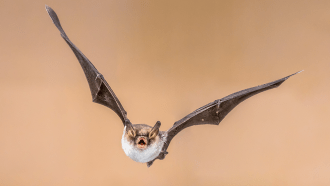
This word describes a method that some animals use to sense their environments by making sounds and listening for their echoes.
- Environment
Here’s one way to harvest water right out of the air
Need water but you have no access to rain, lakes or groundwater? Materials known as metal-organic frameworks could be used to slurp that water from the air, new data show.
- Health & Medicine
How much do masks help against COVID-19?
There’s a range of masks available to the public. From purchased to home-made coverings, all should help — some a lot more than others.
- Health & Medicine
Six foot social-distancing will not always be enough for COVID-19
To avoid COVID-19, keeping a 6-foot social distance is a good rule of thumb. But for plenty of instances, that might not be nearly far enough.
- Agriculture
Let’s learn about trees
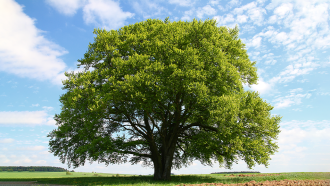
These long-lived woody plants provide shade for people, homes for animals — and help protect the planet against climate change.
- Ecosystems
Check out the communities of bacteria living on your tongue
Bacteria scraped off the tongue offer a window into how the microbes structure their communities.
- Earth
Let’s learn about the Arctic
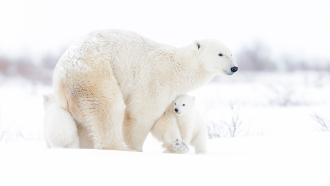
The far North is a mix of vast tundra and icy waters, filled with interesting creatures, from tiny zooplankton to huge polar bears.
- Brain
Sleep helps teens cope with discrimination
Good sleep helps teens better deal with racial and ethnic discrimination.
- Earth
Scientists Say: Ring of Fire
This horseshoe-shaped path on the fringes of the Pacific Ocean holds most of the world’s active volcanos and earthquake sites.
- Environment
Legos could last a disturbingly long time in the ocean
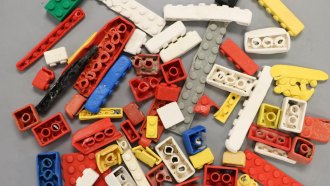
By looking at toys washed up on beaches, scientists have estimated how long it takes hard plastics to break down in the oceans. And it’s a long time.
- Chemistry
Batteries should not burst into flames
Because lithium-ion batteries power modern life, they need to store a lot of energy. Now scientists are focusing on making them safer.
- Health & Medicine
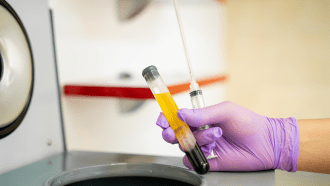
Antibodies from former COVID-19 patients could become a medicine
The experimental treatment uses antibodies from the blood plasma of COVID-19 survivors. It may prevent disease in other people or help treat the sick.