All Stories
- Science & Society
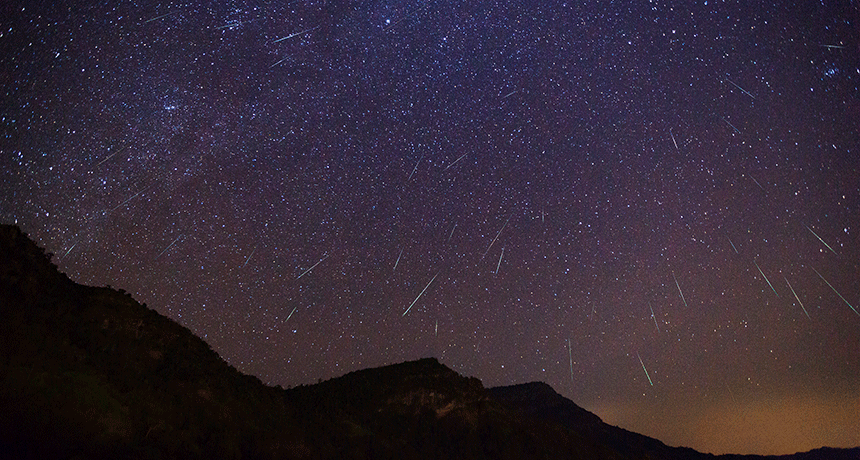
Catch a ‘shooting star’ this month — and most others
The Geminid meteor shower is underway. Here’s how you can enjoy this amazing show in the night sky.
- Science & Society
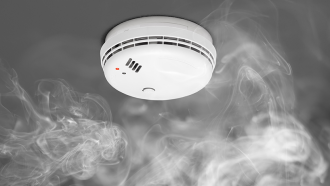
New smoke alarm tests a mother’s touch
Smoke alarms are intended to wake people at signs of a house fire. But standard alarms don’t wake kids as well as a new type that issues warnings in mom’s voice, new data show.
- Life
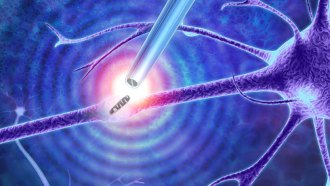
Electro-tweezers let scientists safely probe cells
These nanotweezers can sample the innards of cells without killing them. They use an electric field to net materials for study. And they are gentle enough to repeatedly probe the same cell.
- Animals
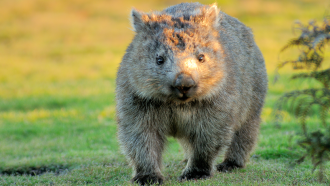
How wombats make their unique cube-shaped poop
The elasticity of the wombat’s intestines helps the creature to shape its distinctive scat.
- Animals
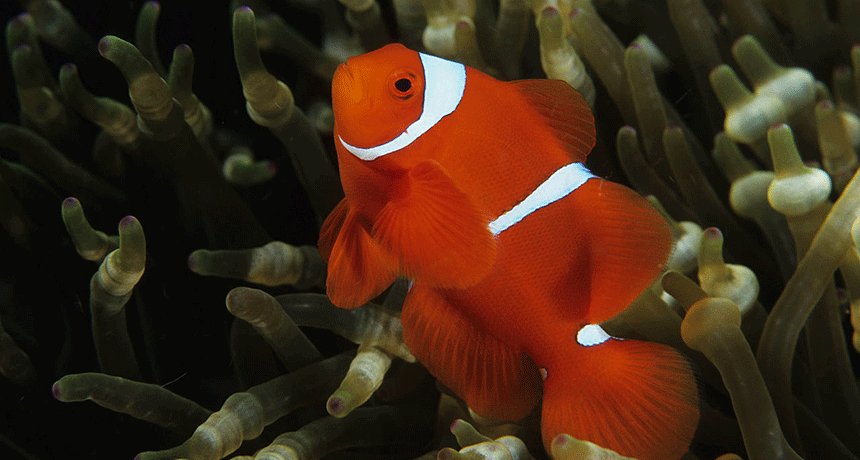
Scientists Say: Symbiosis
Two species can live together and support each other in a relationship called symbiosis.
- Animals
How do elephants eat cereal? With a pinch
Elephant trunks can grab everything from whole trees to cereal bits. To pick up fine grains, they press, then pinch.
- Climate
A wave of change is coming to our planet’s water resources
How will climate change affect you most? Check your kitchen sink.
- Climate
Explainer: Earth’s water is all connected in one vast cycle
Water on Earth is connected in an endless loop called the water cycle.
- Computing
These young researchers take aim at sports
Three Broadcom MASTERS finalists invented sports-related devices. They illustrate that young inventors can find inspiration anywhere, even at work and play.
- Animals
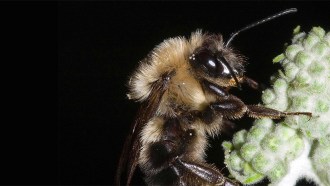
Bees stopped buzzing during the Great American Eclipse
A rare study of bees during a total solar eclipse finds that the insects buzzed around as usual — until the darkness of totality arrived.
- Chemistry
Some plastics learn to repair themselves
A new material can fix its own scratches and small cracks. One day, it also may make self-healing paints and plastics possible.
- Math
Scientists Say: Statistical significance
Statistical significance is a phrase that describes how often a scientific difference might occur by accident.