All Stories
- Animals
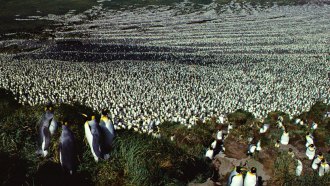
Where did all of those king penguins go?
Île aux Cochons in the southern Indian Ocean was once home to the largest known colony of king penguins. Most of those birds are now gone and no one knows why.
- Earth
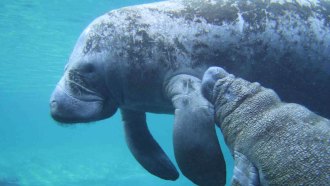
A ‘ghost’ gene leaves sea mammals vulnerable to some toxic chemicals
Manatees, dolphins and other warm-blooded marine animals can't break down some common pesticides. The newfound reason: Long ago, their genes lost the ability to do so.
- Brain
Body heat due to exercise may reduce hunger
Why aren’t animals hungry after a workout? Brain cells that control appetite may sense the exercise heat — and keep you out of the kitchen, a new study finds.
- Earth
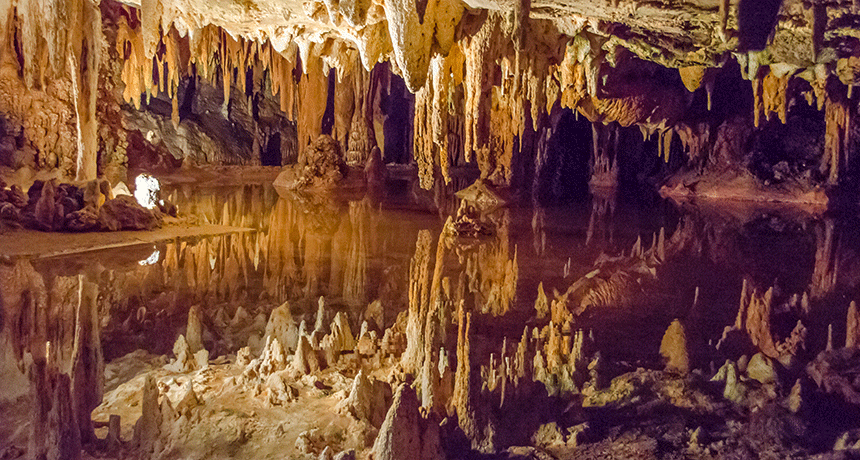
Scientists Say: Stalactite and stalagmite
Stalactites are mineral deposits forms on the ceilings of caves. Stalagmites are also mineral deposits, but they form on the floor of the cave.
- Health & Medicine
Gut ‘bug’ transplants can bring kids with autism lasting benefits
Giving fecal transplants to kids with autism helped their stomach symptoms and behavioral symptoms — even two years after the poop trade.
- Health & Medicine
Explainer: What is a clinical trial?
Scientists perform these to compare the effects of a new drug or therapy in treated — and untreated — people. Always people.
- Math
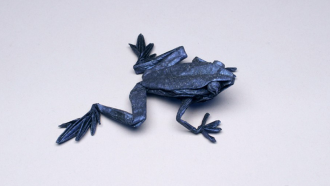
Cool Jobs: The art of paper folding is inspiring science
See how bringing art and math together led to the development of robo-roaches, self-folding papers and medical implants.
- Animals
What ‘The Meg’ doesn’t quite get right about megalodon sharks
A paleobiologist helps separate shark fact from fiction in the new Jason Statham film The Meg.
- Archaeology
Cremated remains hint at who was buried at Stonehenge
A chemical analysis shows that people carried bodies from far away to be buried at the mysterious ancient monument known as Stonehenge.
- Brain
Soccer headers may hurt women’s brains more than men’s
Women sustain more brain damage from heading soccer balls than men, a new imaging study indicates.
- Planets
Jupiter has 12 more moons than we knew about — and one is a weirdo
Astronomers found a dozen previously unknown moons of Jupiter. One may be a remnant of a larger moon that was all but ground to dust.
- Animals
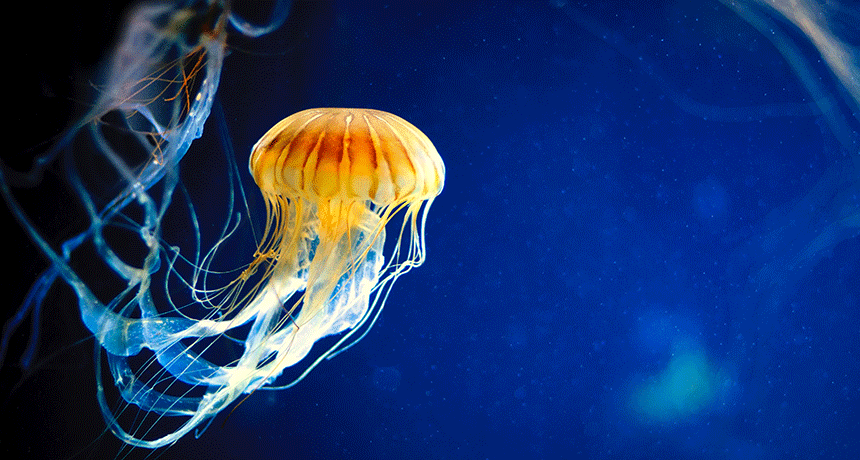
Scientists Say: Nematocyst
Nematocysts are special cells in some ocean critters, such as jellyfish, sea anenomes and corals. They have a barb coated in venom that shoots out at their prey.