All Stories
- Health & Medicine
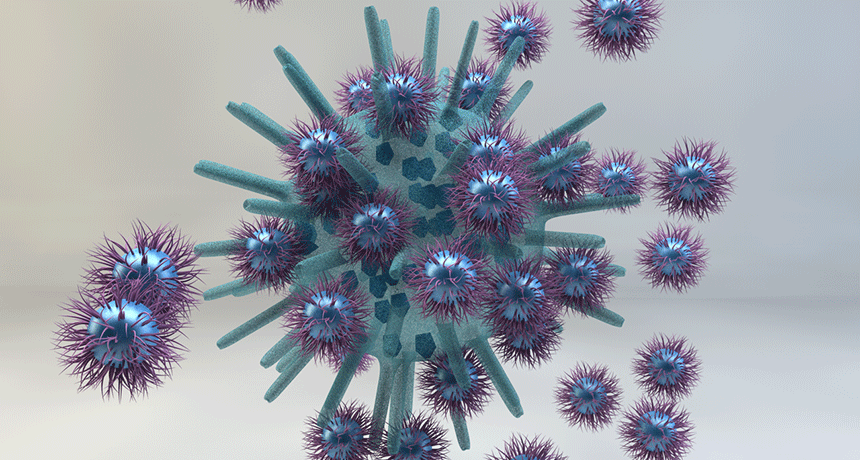
Hairy nanoparticles put viruses in a deadly embrace
Current drugs can’t stop viruses for good. But newly developed hairy nanoparticles just might. They surround and put pressure on the viruses, which ultimately destroys them.
- Planets
Preparing for that trip to Mars
These scientists are working to make a human mission to Mars a reality.
- Microbes
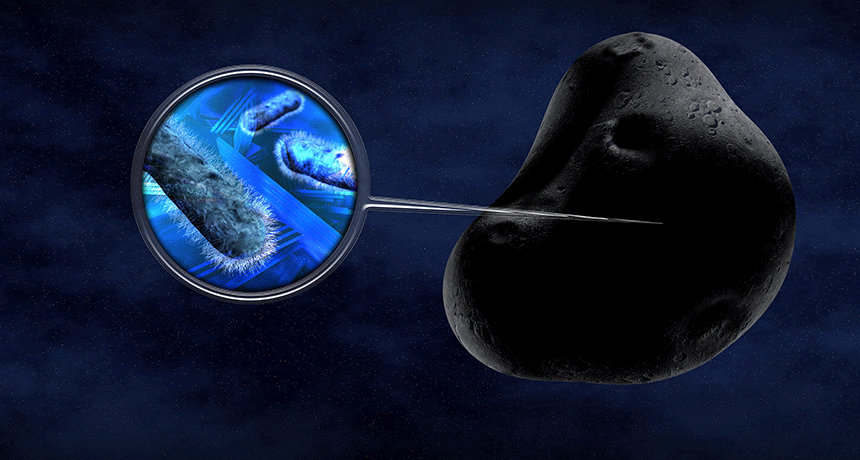
Most Americans would welcome a microbial E.T.
People are more likely to welcome than be scared by new evidence pointing to extraterrestrial life, Americans report — at least if the E.T.’s are tiny.
- Physics
In bobsledding, what the toes do can affect who gets the gold
South Korean scientists have been developing shoes that could give their national bobsled team an advantage at the Olympics.
- Health & Medicine
Why many Olympic athletes have early birthdays
When kids start out in sports, coaches tend to pick the biggest as the best. Here’s what scientists are trying to do about it.
- Tech
How to tell if a drone is stalking you
Is a drone surveilling you? Scientists have figured out a way to tell when it’s streaming video of you or your home.
- Climate
Super-tiny pollutants may help fire up fierce storms
Tiny pollutant particles floating in air may help create clouds and wind, strengthening storms.
- Health & Medicine
Scientists Say: Triclosan
This chemical is known for its bacteria-killing skills. But its use can also promote the development of dangerous, antibiotic-resistant bacteria.
- Agriculture
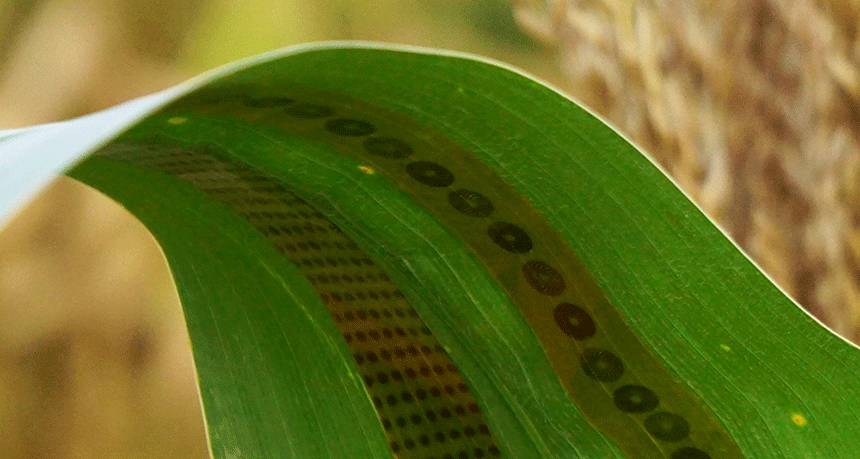
New ‘tattoo’ could lead to drought-tolerant crops
Scientists create stick-on 'plant tattoo.' It measures how efficiently crops use water, a key to better identifying breeding stock for more drought-resistant crops.
- Health & Medicine
Athletes’ head injuries can provoke surprisingly long-lasting harm
Even as symptoms of an athletic head injury fade, the brain may remain impaired, new data show. The harm may last months — perhaps even a lifetime.
- Animals
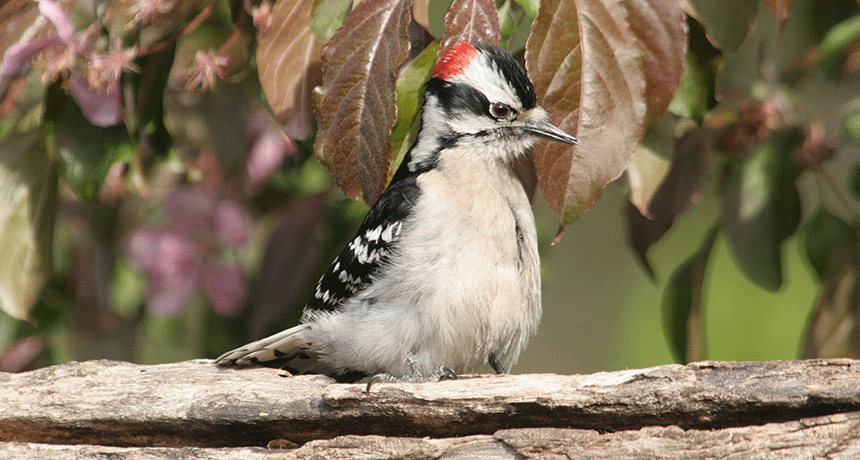
Woodpecker brains host protein linked with human brain damage
Woodpeckers peck with a force great enough to give people concussions. Now a study shows that birds, too, may suffer some brain damage.
- Health & Medicine
Explainer: What is a concussion?
A concussion is a severe type of head injury that can damage a brain for weeks to years — perhaps even a lifetime.