All Stories
- Brain
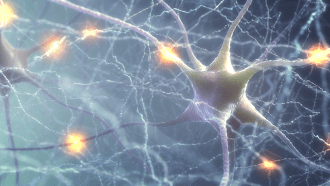
Mild brain injury can cause bead-like swellings in brain cells
Mild head bumps cause temporary swellings — like beads in a necklace — within brain cells. If cells get enough time to heal, those “beads” will disappear.
- Health & Medicine
Vape tricks could increase health risks, experts warn
Many teen e-cigarette users try vape tricks, a new study shows. Researchers worry the tricks could boost the health risks of vaping.
- Animals
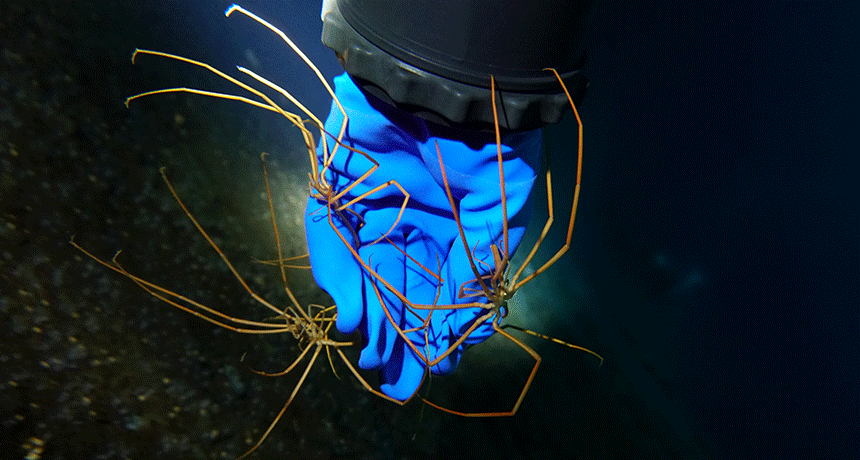
Giant Antarctic sea spiders breathe really strangely
Sea spiders have many bizarre body systems. Scientists have now discovered that they breathe and circulate oxygen in a way never seen before.
- Life
Scientists Say: Histology
When scientists study the parts of an animal or plant, they are studying anatomy. When they need a microscope to see the details of that anatomy, they are studying histology.
- Earth
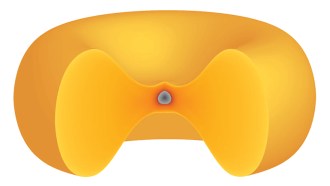
Early Earth may have been a hot doughnut
Synestia is the name some scientists are giving to the smooshed shape Earth might have developed after undergoing a violent cosmic smashup early in its infancy.
- Ecosystems
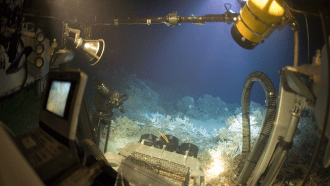
Cool Jobs: Science deep beneath the waves
These scientists probe the sea’s depths, its strange inhabitants, the movement of water and how life evolves in extremes.
- Animals
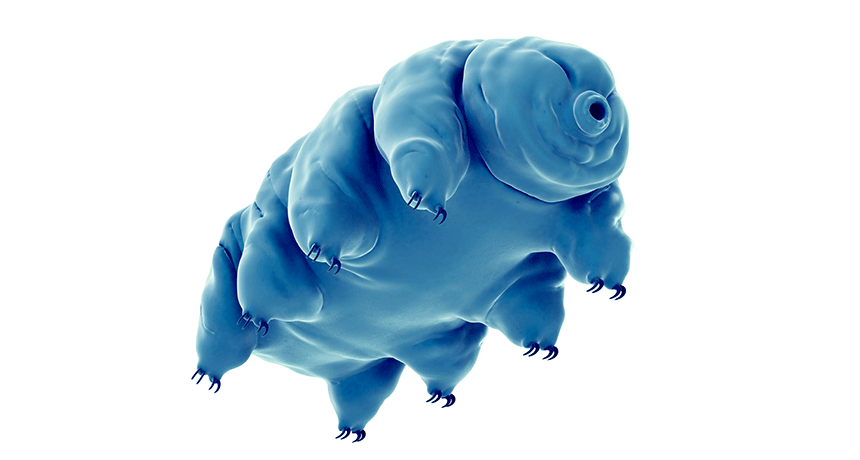
This tiny animal is apocalypse-proof
Microscopic animals called water bears can survive nearly any kind of apocalypse, from asteroids and nuclear war to exploding stars.
- Space
Half the Milky Way may be stolen material
A galaxy may import up to half of its atoms from other celestial bodies. That suggests much of our Milky Way has foreign origins, new simulations suggest.
- Animals
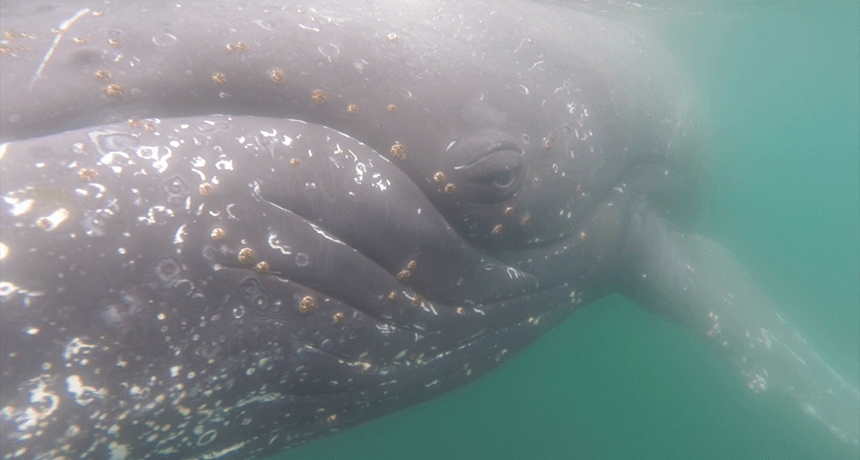
Humpbacks flap their flippers like underwater birds
Surprising new video shows humpback whales flapping their front flippers to move their massive bodies toward their prey.
- Climate
Scientists Say: Ozone
Ozone is a molecule made of three oxygen atoms. In a layer above the Earth, it protects us from harmful radiation, but too close to home, it can harm our health.
- Planets
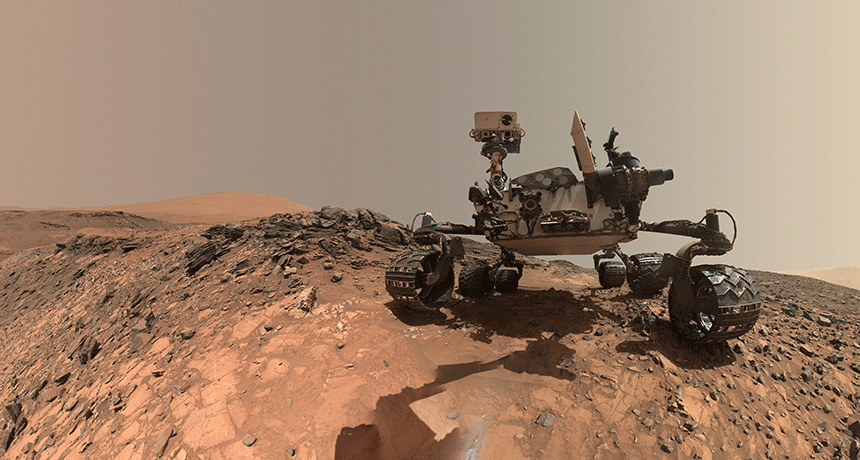
What the Curiosity rover has learned about Mars so far
Scientists take stock of what the Curiosity rover has learned after five years on Mars — and what else it may turn up in the next year or so.
- Physics
Early solar system may have slung giant mud balls
The first asteroids may have been great balls of mud. That could solve some puzzling traits of meteorites.