All Stories
- Earth
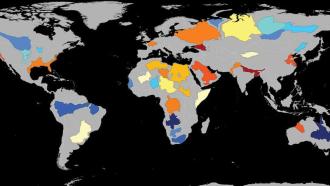
Many of Earth’s groundwater basins are drying out
A majority of Earth’s largest underground reservoirs of water are being depleted. These aquifers lose more water each year than they gain.
- Health & Medicine
Scientists Say: Carcinogen
We have all heard that some things — such as ultraviolent rays from the sun or dangerous chemicals — can cause cancer. These agents have a special name.
- Planets
Teen finds exoplanet
Tom Wagg discovered exoplanet WASP-142b while doing an internship. Just 15 at the time, he is possibly the youngest person ever to find an exoplanet.
- Health & Medicine
New ways to fight the flu
Influenza sickens millions each year. A worldwide epidemic could kill many of them. Fortunately, new ways to fight the flu offer hope — before it’s too late.
- Climate
Pacific hurricanes to strengthen as Earth warms
Global warming is heating up the oceans. That is causing waters to warm. As a result, Pacific storms — called typhoons — will become more destructive.
-
This “sun” dress mixes fashion and science
Allison Clausius, 18, combined her love for fashion and science in a dress that incorporates solar panels to charge portable electronics.
- Animals
More dinosaur bones yield traces of blood, soft tissue
More dinosaur bones are found to contain residues of blood and soft tissue. The discovery could help point to when dinosaurs turned into warm-blooded creatures.
- Animals
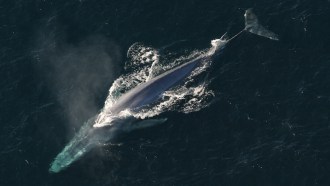
A whale of a journey
The 5,200-kilometer (3,200 mile) journey of Isabela provides a window into the migration patterns of blue whales.
- Chemistry
News Brief: Common campfire style is still the best
Humans tend to build fires in the same way, in a pyramid as tall as it is wide. New calculations show this shape burns hottest.
- Science & Society
Scientists Say: Forensics
When there’s blood, bones and fingerprints on a crime scene, it’s time to bring in the scientists. Their research is called forensics.
- Fossils
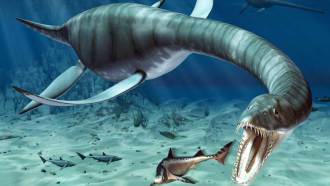
The real sea monsters
No known dinosaurs lived in the oceans. But there were lots of big aquatic reptiles that were every bit as ferocious and awesome.
- Fossils
New analysis halves massive dino’s weight
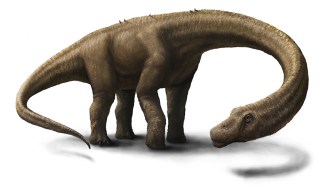
No question about it, Dreadnoughtus schrani was enormous. But a new estimate concludes this dino weighed just half as much as first thought.