All Stories
- Planets
News Brief: Venus may have active volcanoes
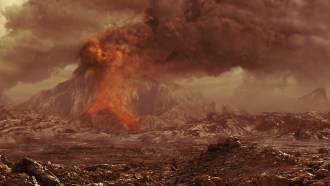
The Venus Express spacecraft detected flashes of infrared light that may be from hot lava erupting from active volcanoes.
- Tech
Inspired minds: Role models come from across the globe
Innovators come from everywhere, as shown by the role models cited by students taking part in the 2015 Broadcom MASTERS International program.
- Brain
Smell test may detect autism
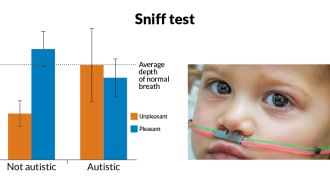
A new study finds that kids with autism sniff foul scents for as long as pleasing ones. The finding could lead to a test to diagnose the disorder.
- Climate
Scientists Say: Hurricane or typhoon?
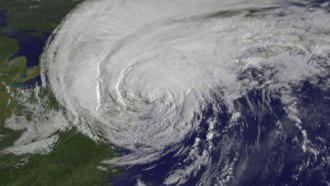
Sometimes you read about hurricanes, and sometimes about typhoons. The difference? Location, location, location.
-
Cookie Science 17: Posters — the good and the bad
Scientists often initially report results of their experiments in a poster. It may seem easy, but here are some common mistakes to avoid.
- Physics
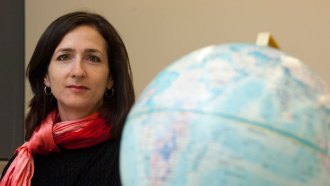
Profile: Looking for life beyond the solar system
Planetary scientist and astrophysicist Sara Seager is a leader in the search for signs of life on planets beyond our solar system.
- Planets
Pluto hosts ice mountains, data suggest
Geologic activity appears to have been reshaping Pluto, erasing craters and more.
- Animals
Why seahorses have square tails
The unique shape of a seahorse tail provides strength, and it may also help the fish to grasp objects.
- Planets
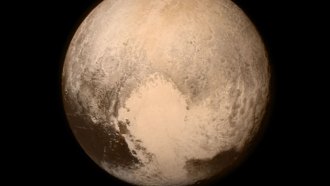
Picture This: Pluto hearts us
As a little spacecraft flies by Pluto, it is snapping up high resolution images and collecting unparalleled data.
- Computing
These young scientists are passionate about tech and math
The 2015 Broadcom MASTERS International delegates show why math and computer skills are key to the success of science-fair projects.
- Space
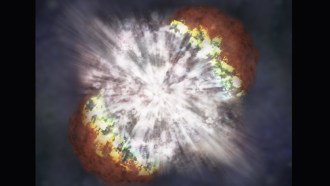
News Brief: Latest supernova is also super-brightest
The light from stellar fireworks in a galaxy far, far away has just reached Earth. It comes from a star that exploded in a massively bright flash.
- Planets
Scientists Say: Satellite
When we think of satellites, we often think of objects we send into space from Earth. But most satellites are actually all natural.