All Stories
- Plants
Rampaging vines are slowly strangling tropical forests
Called lianas,these vines are growing out of control. They may cause tropical forests to absorb less carbon dioxide — worsening climate change.
- Tech
Could we build a mecha?
In the movies, mechas come equipped with all kinds of abilities. But real giant robots would first have to master simpler actions, like walking and jumping.
- Plants
This urban gardener is mimicking nature to create healthier plants
Urban garden specialist Kwesi Joseph is experimenting with rock dust and plants. He also helps New York City community and school gardens with gardening problems.
- Animals
Let’s learn about Godzilla and King Kong
These blockbuster monsters are too big to exist. But if they were real, what adaptations would each bring to battle?
- Animals
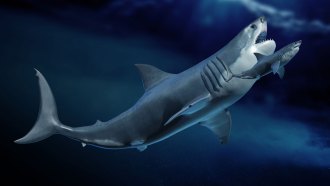
Scientists Say: Megalodon
The extinct megalodon (Otodus megalodon) was the largest shark to ever prowl the oceans.
- Tech
Artificial intelligence helped design a new type of battery
Supercomputing and AI cut the early discovery steps from decades to just 80 hours. The process led to a new solid electrolyte.
- Animals
Analyze This: Marsupial gliders may avoid the ground to dodge predators
It has been unclear why gliding evolved in marsupials. To search for clues, researchers strapped activity trackers to some of these cryptic creatures.
- Science & Society
U.S. lawmakers look for ways to protect kids on social media
The U.S. government wants to protect young social media users from exploitation, bullying and more. The companies should play a role in this, it says.
- Earth
Explainer: Sprites, jets, ELVES and other storm-powered lights
Fleeting glows collectively known as “transient luminous events” flash in the skies above powerful lightning storms.
- Animals
This frog is the world’s smallest known vertebrate
Neither fleas nor toads, Brazilian flea toads are almost flea-sized. These mini frogs are small enough to fit on a pinkie fingernail.
- Environment
Scientists Say: Carbon capture
Carbon capture technology tackles climate change by stomping out carbon dioxide at the source.
- Animals
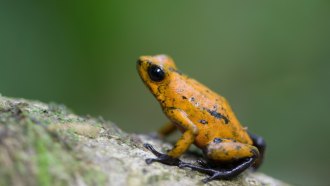
At last: How poison dart frogs ship defense toxins to their skin
A liver protein appears to help the amphibians collect and move toxins from their food to their skin. Those toxins can defend the frogs from predators.