All Stories
- Life
Has the Endangered Species Act saved species from extinction?
After 50 years, this landmark law has kept many species alive — but few wild populations have recovered enough to come off the “endangered” list.
- Brain
Brain scans hint at how well teens will manage pandemic stress
A study that followed hundreds of teens during the COVID-19 pandemic now suggests why some of them handled long-term stress better than others.
- Tech
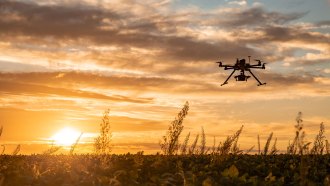
Let’s learn about flying drones for science
Airborne robots help researchers keep tabs on wildlife, agriculture and more.
- Physics
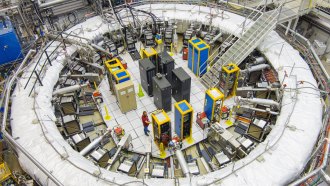
Scientists Say: Muon
Tracking muons raining down on Earth can reveal new details of pyramids, volcanoes and thunderstorms.
- Planets
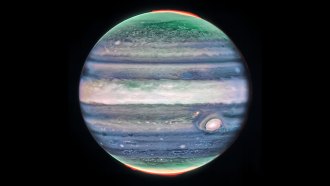
Jupiter has a never-before-seen jet stream — and it’s speedy
Spotted in images from the James Webb telescope, the high-altitude current may help untangle the workings of the giant planet’s atmosphere.
- Environment
New ultrathin materials can pull climate-warming CO2 from the air
To slow global warming, we’ll need help from CO2-trapping materials. Enter MXenes. They’re strong and reactive — and they love to eat up CO2.
- Ecosystems
Restoring giant underwater forests, one blade at a time
Giant kelp are at risk due to climate change and human activities. In New Zealand, a community effort is rebuilding these underwater algal forests.
- Space
Black holes and activism inspire this astrophysicist
Mallory Molina is looking for supermassive black holes — and helping others find their place in the field of astronomy.
- Physics
Heat makes water evaporate. Now it appears light can, too
In the lab, shining light on water made it evaporate faster. This never-before-seen effect, if real, might be happening naturally all around us.
- Oceans
Shading corals during midday heat can limit bleaching
Shading coral reefs during the sunniest part of the day may help corals survive marine heat waves.
- Space
NASA’s OSIRIS-REx spacecraft brought back bits of the asteroid Bennu
Dirt from the asteroid Bennu could hold clues about the material that built our solar system — and possibly where life comes from.
- Animals
Scientists Say: Camouflage
Plants and animals alike hide in plain sight using this sneaky strategy.