biology: The study of living things. The scientists who study them are known as biologists.
cell: (in biology) The smallest structural and functional unit of an organism. Typically too small to see with the unaided eye, it consists of a watery fluid surrounded by a membrane or wall. Depending on their size, animals are made of anywhere from thousands to trillions of cells. Most organisms, such as yeasts, molds, bacteria and some algae, are composed of only one cell.
conservation: (v. conserve) The act of preserving or protecting something. The focus of this work can range from art objects to endangered species and other aspects of the natural environment.
coral: Marine animals that often produce a hard and stony exoskeleton and tend to live on reefs (the exoskeletons of dead ancestor corals).
disorder: (in medicine) A condition where the body does not work appropriately, leading to what might be viewed as an illness. This term can sometimes be used interchangeably with disease.
extinction: (adj. extinct) The permanent loss of a species, family or larger group of organisms.
habitat: The area or natural environment in which an animal or plant normally lives, such as a desert, coral reef or freshwater lake. A habitat can be home to thousands of different species.
kidney: Each in a pair of organs in mammals that filters blood and produces urine.
organ: (in biology) Various parts of an organism that perform one or more particular functions. For instance, an ovary is an organ that makes eggs, the brain is an organ that makes sense of nerve signals and a plant’s roots are organs that take in nutrients and moisture.
organism: Any living thing, from elephants and plants to bacteria and other types of single-celled life.
population: (in biology) A group of individuals (belonging to the same species) that lives in a given area.
reef: A ridge of rock, coral or sand. It rises up from the seafloor and may come to just above or just under the water’s surface.
shrub: A perennial plant that grows in a generally low, bushy form.
species: A group of similar organisms capable of producing offspring that can survive and reproduce.
stem cell: A “blank slate” cell that can give rise to other types of cells in the body. Stem cells play an important role in tissue regeneration and repair.
tissue: Made of cells, it is any of the distinct types of materials that make up animals, plants or fungi. Cells within a tissue work as a unit to perform a particular function in living organisms. Different organs of the human body, for instance, often are made from many different types of tissues.
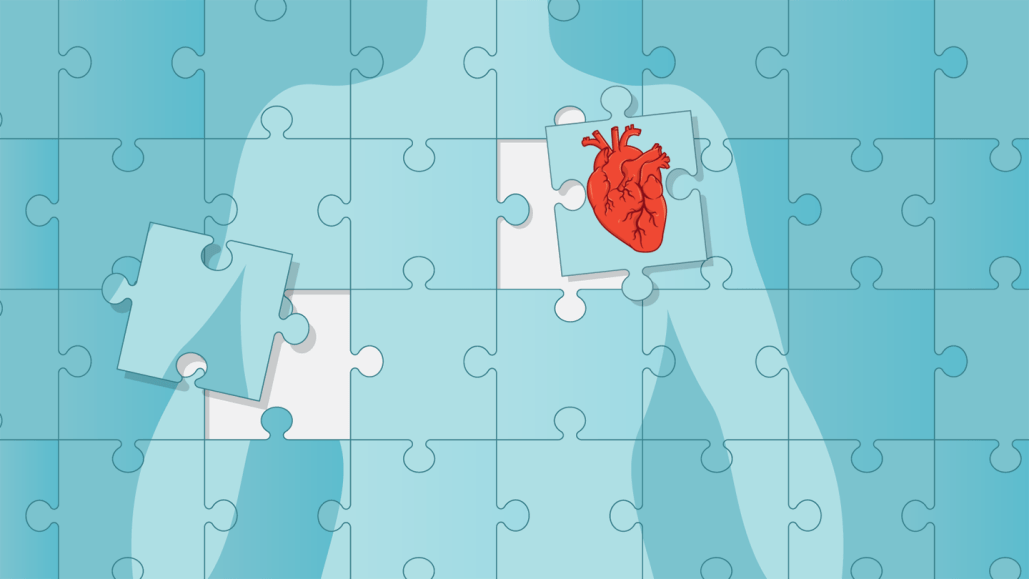
transplant: (in medicine) The replacement of organs, tissues or cells with those from another organism. It is also a term for the material that will be moved.