Scientists Say
A weekly word defined, in a sentence and in context. Click here to find the alphabetized list.
- Climate
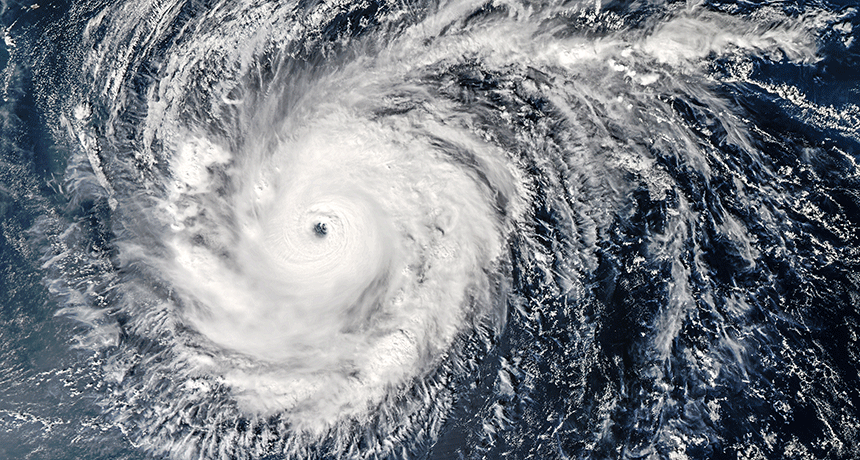
Scientists Say: Weather bomb
Weather doesn’t just affect the air. Huge storms can send waves of pressure through the Earth as well.
- Chemistry
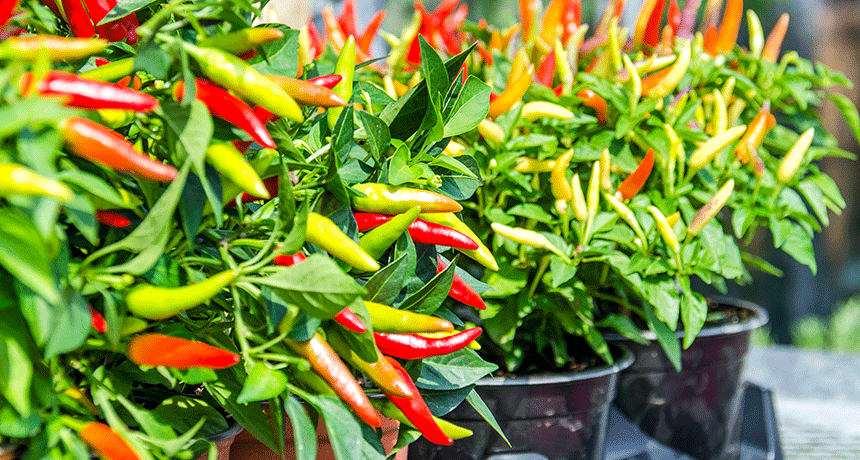
Scientists Say: Capsaicin
This chemical is produced by pepper plants and gives them their hot flavor.
- Chemistry
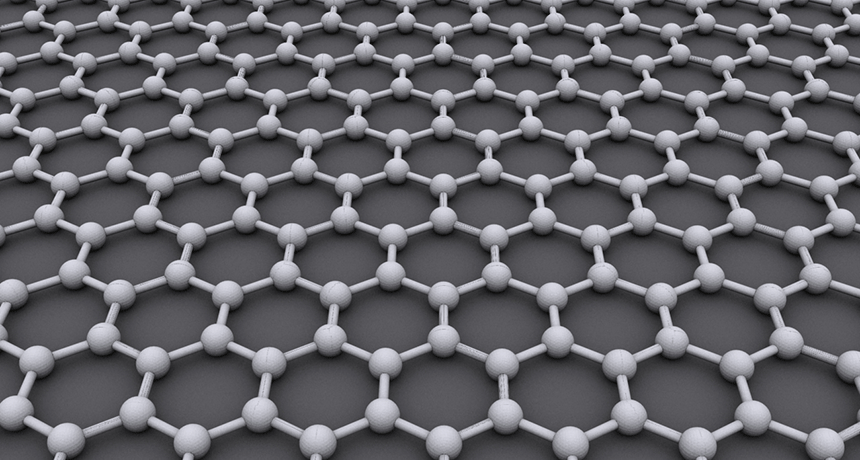
Scientists Say: Graphene
This is a single layer of carbon atoms, linked to each other in a flat sheet. It’s super strong, super flexible and conducts current, too.
- Animals
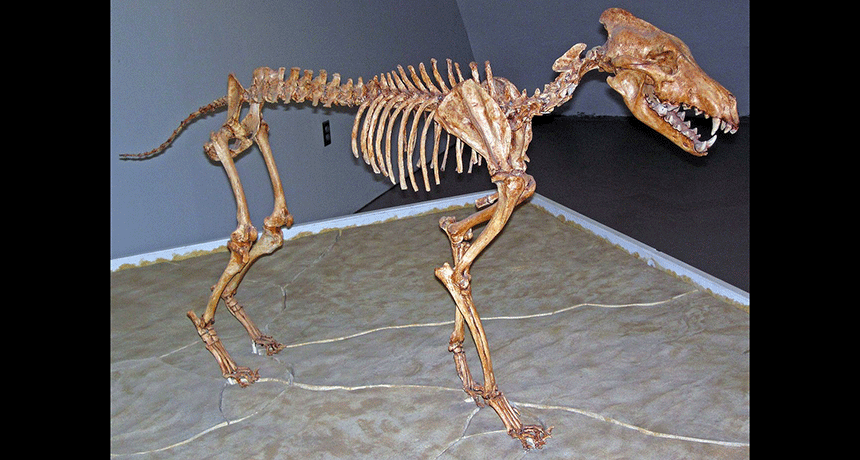
Scientists Say: Dire wolf
Dire wolves are an extinct species of wolf that roamed North America from about 300,000 to 12,000 years ago.
- Space
Scientists Say: Transit
When an object in space passes in front of a star and looks big enough to block out all the light, it’s an eclipse. When it’s smaller, it’s called a transit.
- Life
Scientists Say: Histology
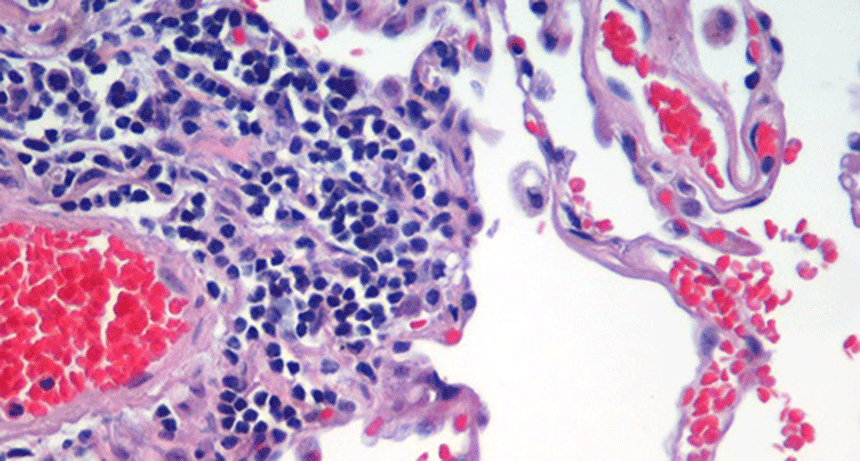
When scientists study the parts of an animal or plant, they are studying anatomy. When they need a microscope to see the details of that anatomy, they are studying histology.
- Climate
Scientists Say: Ozone
Ozone is a molecule made of three oxygen atoms. In a layer above the Earth, it protects us from harmful radiation, but too close to home, it can harm our health.
- Earth
Scientists Say: Speleology
This is the scientific study of caves, which can include what they’re made of, how they form and what lives in them.
- Agriculture
Scientists Say: Domestication
Domestication is the process of deliberately taking a wild organism — a plant or animal for instance — and making it a part of our daily lives.
- Life
Scientists Say: Biofilm
When times get tough, some microbes like to stick together. They form a mass stuck to a surface, called a biofilm.
- Chemistry
Scientists Say: Photochromic
Photochromic chemicals change shape when exposed to a specific wavelength of light. The shape change changes the chemical’s color.
- Brain
Scientists Say: Amygdala
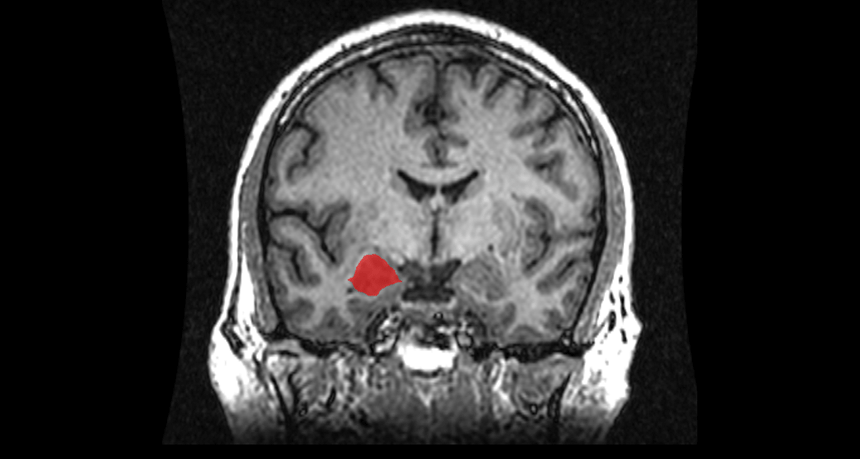
Named after the Greek word for “almond,” the amygdala helps us process emotions, make decisions and form memories.