Scientists Say
A weekly word defined, in a sentence and in context. Click here to find the alphabetized list.
- Plants
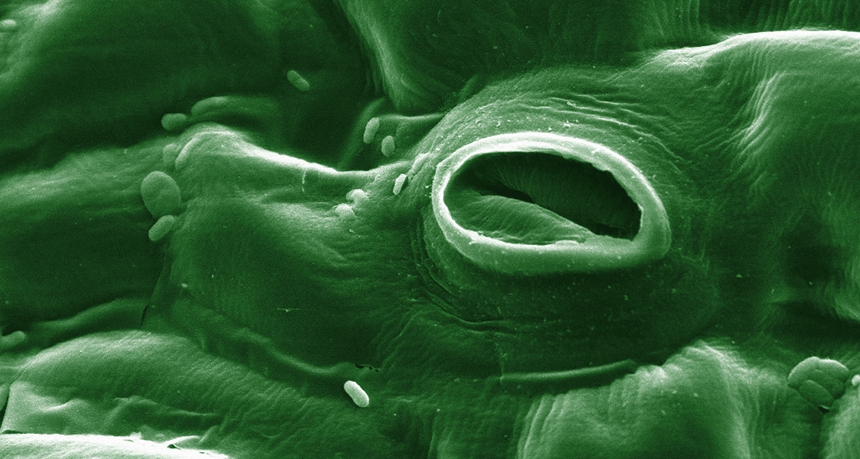
Scientists Say: Stomata
Plants have pores they open and close to let oxygen, carbon dioxide and water vapor in and out. These pores are called stomata.
- Brain
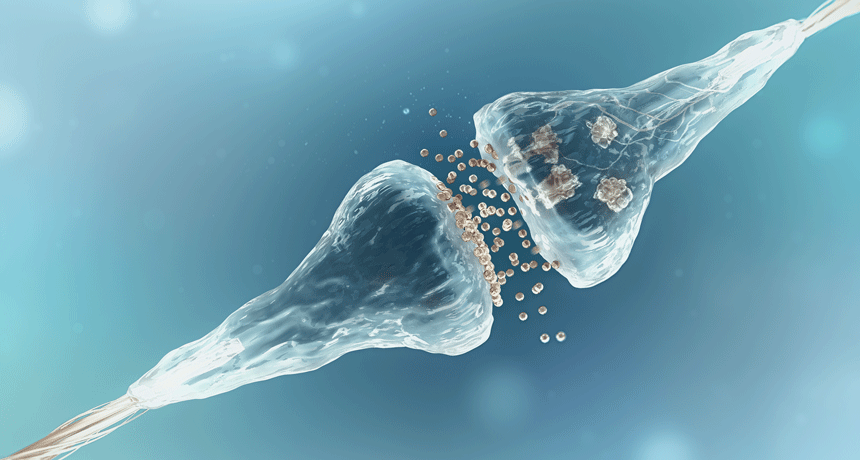
Scientists Say: Synapse
When brain cells need to pass messages, they do it without touching, across a space called a synapse.
- Planets
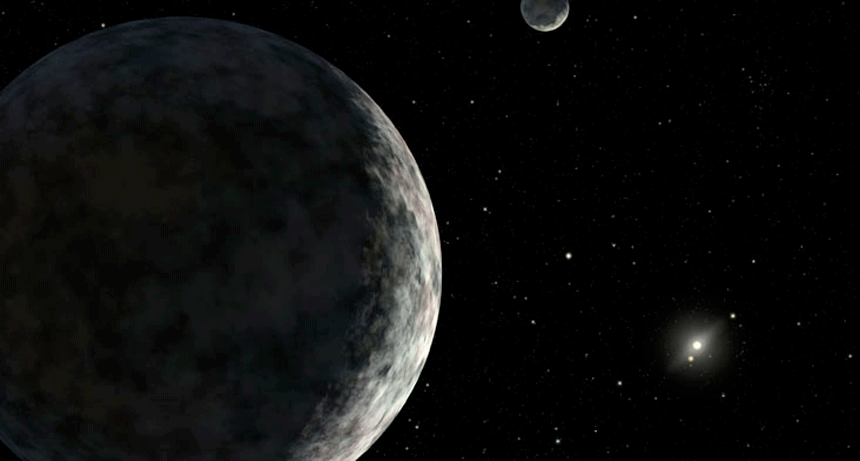
Scientists Say: Dwarf planet
Dwarf planets are distinct from the full-size models. A little too small, they also have a lot of space stuff filling their path around the sun.
- Life
Scientists Say: ATP
This chemical is a bit like a rechargeable battery. Cells build and break apart its chemical bonds to store and release energy.
- Planets
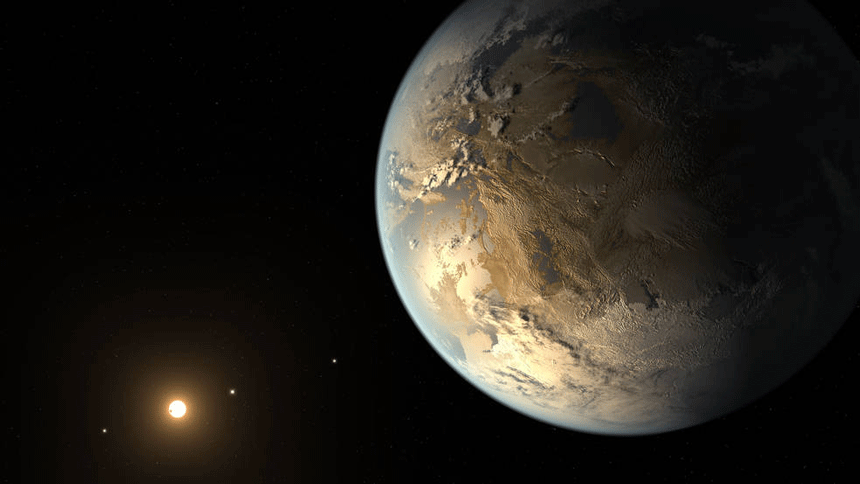
Scientists Say: Goldilocks zone
Not too hot, not too cold. Just right. This is the region around a star where water could be a liquid, instead of a solid or gas.
- Physics
Scientists Say: Dark matter
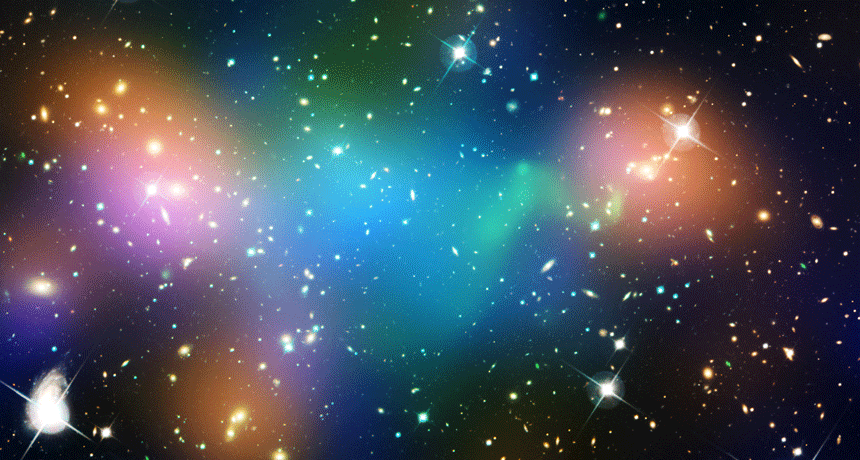
Most of the universe isn’t made of stuff we can see. Scientists think some of it might be made of dark matter — matter that emits no radiation.
- Animals
Scientists Say: Hibernation
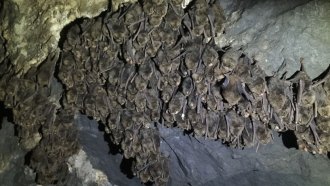
Hibernation is more than a deep sleep. Animals that hibernate lower their body temperature and reduce their body activities for months.
- Health & Medicine
Scientists Say: Hyperthermia
If our body temperatures rise too high, we can suffer from hyperthermia.
- Animals
Scientists Say: Torpor
When an animal enters torpor, its body temperature goes down and so does the amount of energy it uses.
- Health & Medicine
Scientists Say: Frostbite
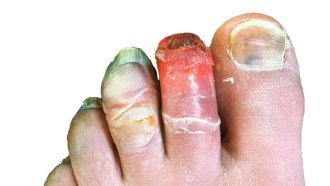
As we get cold, the blood vessels near our skin constrict to keep body heat in. But in the process, they leave some tissues in danger of frostbite.
- Health & Medicine
Scientists Say: Hypothermia
Our bodies need to stay warm to function correctly. If our temperature drops too much, we can suffer from hypothermia.
- Health & Medicine
Scientists Say: Bruxism
Some people clench their jaw when their stressed. People who do it a lot may have bruxism.