Uncategorized
- Health & Medicine
6 surprising science-backed ways to beat the heat
From a new hairstyle or burst of mint to how you decorate your windows, these research-backed tips and tricks can help you beat the heat to stay cool all summer long.
- Plants
Perfect pitch? Scientists lay new grounds for World Cup ‘26
High-tech turfgrass carpets will be unrolled in 16 stadiums across North America — including five that must survive despite getting no natural sunlight.
- Physics
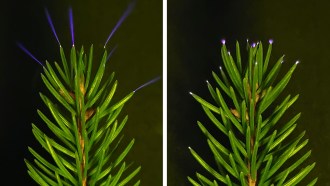
Thunderstorms can make trees twinkle with an electric glow
The tiny, storm-driven electric zaps dance and jump around pine needles and other leaves. Videos have just captured that subtle flickering in forests.
- Life
Scientists Say: Biophoton
All living things glow with this mysterious light. But scientists need ultra-sensitive tools to detect it.
- Tech
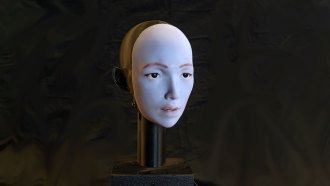
Would lip-synching make androids seem less creepy?
Robots that seem almost — but not quite — human can strike us as eerie. Improved lip motions might help overcome this “Uncanny Valley” effect.
- Animals
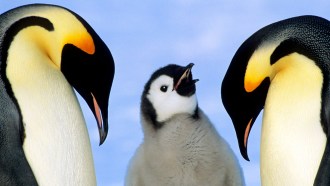
Emperor penguins are on the march — toward extinction
Along with Antarctic fur seals, these iconic birds, the largest of all penguins, are now endangered by their continent’s warming.
- Psychology
How not to choke when performing under pressure
World Cup players can benefit from the emerging field of penalty kick psychology. It offers lessons for us all on how to perform best under pressure.
- Chemistry
New polish could turn long nails into touchscreen styluses
It registers nails' touch by disrupting the touchscreen’s electric field. But this high-tech varnish isn’t ready to hit store shelves yet.
- Ecosystems
Let’s learn about wetlands
Just how wet these lands are varies a lot — from seasonally soaked to permanently flooded.
- Computing
Scientists Say: Boolean
Computers handle complex problems through a series of very simple answers, such yes or no, on or off — and most often, one or zero.
- Artificial Intelligence
Don’t trust AI for help with citations, science-fair judges warn
Fake, AI-generated citations have begun disqualifying major science-fair projects. Such ‘ghost’ references even haunt research journals.
- Brain
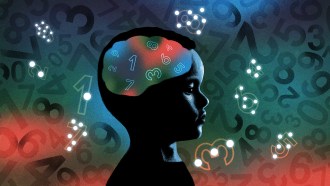
Brain scans offer clues to why math is harder for some kids
Kids with math learning disabilities process number symbols differently than numbers shown as dots.