Uncategorized
- Artificial Intelligence
Don’t trust AI for help with citations, science-fair judges warn
Fake, AI-generated citations have begun disqualifying major science-fair projects. Such ‘ghost’ references even haunt research journals.
- Brain
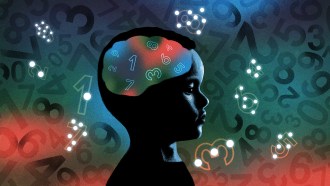
Brain scans offer clues to why math is harder for some kids
Kids with math learning disabilities process number symbols differently than numbers shown as dots.
- Animals
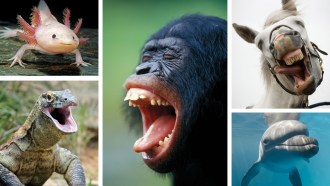
Animals can feel joy. Here’s how scientists might study it
Research has long focused on understanding negative emotions like fear in animals. Now they’re trying to measure positive feelings like joy. It’s a challenge.
- Animals
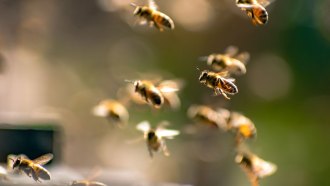
Analyze This: How many insects are in the air?
Weather data have helped estimate the density of flying insects in U.S. skies. That could help track climate change’s impact on insects.
- Artificial Intelligence
A new shield could guard AI agents against cyberattacks
A teen’s software could help guard AI that handles sensitive data against sneaky “prompt injection attacks.”
- Health & Medicine
Scientists get smart about farts with new underwear sensor
It snaps into regular undies to measure releases of hydrogen gas. Rates vary widely, but 32 farts a day seems about average, early data suggest.
- Space
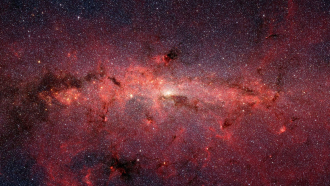
Scientists Say: Observable universe
No light will ever reach Earth from beyond this distant horizon of space.
- Space
Do multiple universes exist?
Some branches of physics hint that our universe is just one of many in a vast “multiverse.”
- Plants
Light pollution could be supercharging your pollen allergies
Light pollution in North American cities seems to be tricking plants into releasing pollen for longer periods each year.
- Life
Looking for LUCA, everyone’s shared ancestor
You and all other living things descended from a single organism — our great-grand-germ. Scientists are studying modern genes to learn more about this very distant ancestor.
- Ecosystems
Hurricane Katrina shaped this coastal ecologist’s life and work
Surviving Hurricane Katrina inspired Elliott White Jr.’s scientific journey to studying how humans and climate change impact wetlands.
- Humans
Let’s learn about adrenaline
In short bursts, this hormone can help you face your fears. But in the long run, too much of it can be unhealthy.