Uncategorized
- Animals
Under blanket of ice, lakes teem with life
Life under frozen lakes is vibrant, complex and surprisingly active, new research finds. In fact, some plants and animals can only live under the ice. But with climate change, will that continue?
- Animals
Warm petals may attract chilly bees
Dark-purple violet petals are warmer than a light-purple variant. And and that warmth might explain their attraction to potentially chilly bees.
- Health & Medicine
Scientists Say: Hyperthermia
If our body temperatures rise too high, we can suffer from hyperthermia.
- Chemistry
Scientists claim to have turned hydrogen into a metal
Most people know hydrogen as a gas. But under high pressure, scientists now think they’ve converted it into a reflective metal. Not everyone is convinced.
- Brain
Heartbeat can affect racial perception of threat
Links between nerves in the heart and the brain shed light on why some police may be more likely to shoot an unarmed person who’s black than one who is white.
- Health & Medicine
Heart risks seen in regular vapers
New symptoms show up in regular e-cigarette users. They suggest vapers are putting themselves at elevated risk of heart disease
- Health & Medicine
Cleaner water helps male fish again look and act like guys
Water pollution can give male fish female traits — such as the ability to make eggs. And that’s not a good thing. Better water treatment may prevent that, data now show.
- Health & Medicine
Bullying hurts — but peer support really helps
Bullied kids face more mental illness as adults, new studies find. Other research suggests support from other kids can lessen the impacts.
- Chemistry
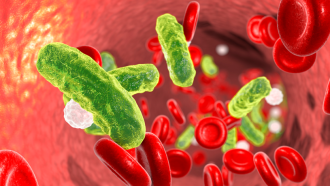
Magnets may one day cull deadly germs from blood
A new technique for slowing the deadly condition called sepsis would use tiny iron particles and magnets.
- Animals
Scientists Say: Torpor
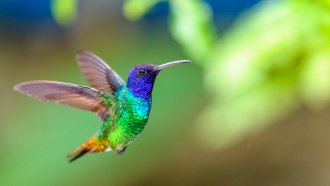
When an animal enters torpor, its body temperature goes down and so does the amount of energy it uses.
- Animals
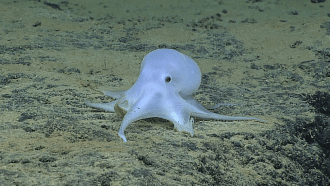
Deep-sea mining could imperil rare, ghostlike octopus
A newly discovered octopus lays its eggs in a dangerous spot: where companies are looking to mine valuable metals for use in cell phones and computers.
- Computing
When your stuff spies on you
More ordinary objects are going online. These make up the Internet of Things. But as they collect data about you and your world, they also bring security risks.