Uncategorized
- Chemistry
Scientists Say: Dioxide
Carbon dioxide, sulfur dioxide and zirconium dioxide all have something in common. They are all molecules with two oxygens bound to some other element.
- Earth
Table salt and shellfish can contain plastic
Bits of plastic have turned up in sea salts purchased in Chinese supermarkets. The finding suggests all sea salts may be similarly tainted. Shellfish too.
- Brain
When every face is a stranger’s face
Some people can’t recognize faces — any faces, even their mother’s. Scientists are working to understand this ‘face blindness’ and help those who suffer from it.
- Health & Medicine
News Brief: Group dancing helps teens bond
Coordinated dance routines help teens bond with one another, new data show. Group dancing also offers other benefits, including a higher threshold for pain.
- Animals
Gene editing creates buff beagles
Scientists showed that a potentially useful new gene-editing tool can work in dogs. It created a pair of adorable, muscular puppies. But the goal is to use it for other research purposes.
- Ecosystems
Two SNS writers win big
Here’s a Cool Job: writing about science. Two people who regularly do that for SNS have just picked up awards for stories on the physics of lightning and how nature recycles the dead to feed the living.
- Physics
Explainer: Locating a gun with sound waves
Recording the sound of a gun from three microphones can help scientists pinpoint the weapon’s location.
- Physics
Boom! Sounding out the enemy
Armistice Day marked the end of the Great War. But what arguably won the war was acoustics — the science of sound. It allowed Allied troops to home in on and rout the enemy.
- Chemistry
Explainer: Temperature and electrical resistance
Higher temperatures mean more energy and more motion. In contrast, cold means slow moving molecules.
- Brain
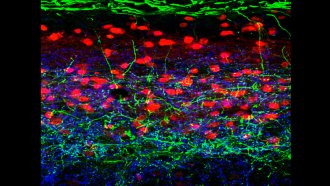
Scientists discover itch-busting cells
A study in mice finds the body has a special way of dealing with an itch that’s caused by a light touch. The results could lead to treatments for chronic itch.
- Brain
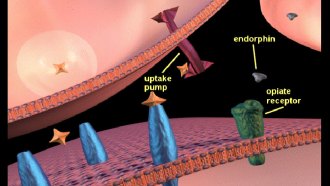
Scientists Say: Neurotransmitters
When brain cells need to communicate, they use chemicals as messengers. These molecules have a special name.
- Earth
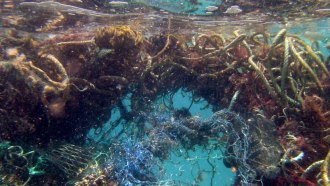
Plastic trash travels up to Arctic waters
Bags, fishing rope and other tiny bits of plastic are now polluting Arctic waters, posing threats to area wildlife.