Uncategorized
- Humans
News Brief: Ancient teeth point to Neandertal relatives
New analyses of some teeth found in Siberia indicate that Neandertal cousins known as Denisovans lived there for at least 60,000 years. That would have had them around the same place as modern humans — and at nearly the same time.
- Fossils
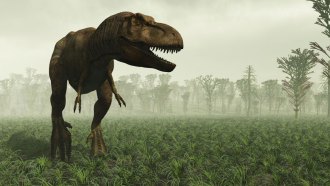
Predatory dinos were truly big-mouths
Large meat-eating dinosaurs could open their mouths wide to grab big prey. Vegetarians would have had a more limited gape, a new study suggests.
- Climate
Concerns about Earth’s fever
Burning fossil fuels is causing the planet to heat up, causing weather patterns to change, sea levels to rise and diseases to spread.
- Climate
Explainer: How scientists know Earth is warming
Scientists can calculate global temperatures, both present and past. Their findings show that the planet is rapidly heating up.
- Chemistry
Some 3-D printing can leave toxic taint
The ”ink” inside some 3-D printers can leave toxic traces. In tests, these chemicals harmed baby fish. But lighting could render the parts safer.
- Chemistry
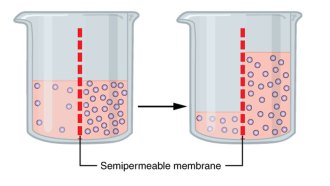
Scientists Say: Osmosis
When two solutions are separated by a membrane where only the liquid can cross, the liquid will move from the side with a low concentration of dissolved materials to the side with a higher concentration. This movement has a special name.
- Animals
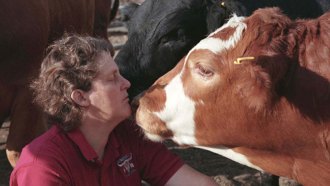
Profile: A human touch for animals
Temple Grandin uses her own autism to understand how animals think. The animal scientist is famous for fostering the humane treatment of livestock.
- Health & Medicine
Study equates sleepless nights with high-fat diet
Getting too little sleep has the same effect on blood sugar as eating high-fat foods, a study in dogs finds. This may set the body up for diabetes.
- Microbes
Fossils show sign of ancient vampire microbes
Scientists have found 750-million-year-old fossils of cells with puncture wounds. This appears to offer evidence that vampirelike creatures sucked them dry.
- Animals
Taking attendance with eDNA
Environmental DNA, or eDNA, tells biologists what species are in an area — even when they’re out of sight.
- Animals
Wildlife forensics turns to eDNA
Environmental DNA, or eDNA, tells biologists what species have been around — even when they’re out of sight or have temporarily moved on.
- Animals
Kangaroo farts: Not so ‘green’ after all?
Scientists had thought that kangaroo farts were environmentally friendly because they had little methane. That may not always be true.