Uncategorized
- Environment
Water: Getting the salt out
A new water-cleansing technology passes electricity through a flow of salty water. This will generate a zone of fresh water that can then be collected.
- Animals
Cool Jobs: Getting in your head
Experimental psychologists study animals and people to understand the roots of behavior.
- Health & Medicine
Nearsighted? Eye drops slow worsening vision
Myopia — or nearsightedness — is a growing problem worldwide. Low doses of an ancient drug could slow its development, without side effects.
- Animals
Scientists Say: Quoll
This small marsupial is about the size of a housecat. It lives in Australia and New Guinea, where it is under threat from toxic toads.
- Animals
Elephants’ trunks: These leaf-blowers snag food
Researchers at a Japanese zoo filmed two elephants using their trunks as leaf-blowers, pulling food toward them with puffs of air.
- Genetics
Expert panel approves human gene editing
Scientists have recently been reporting big advances in the ability to tweak the genes of living organisms, including people. But some question the ethics of doing that. A panel of experts now says such research can go ahead — with one major exception.
- Agriculture
Banana threat: Attack of the clones
Researchers find that disease-causing fungi — all clones of one another — will continue to infect banana plants unless new steps are taken to stop their spread.
- Health & Medicine
Heart damage linked to obesity in kids
Doctors are finding signs of heart damage in obese children as young as 8 years old.
- Environment
Engineers consider liquid salt to generate power
A new type of power plant, a molten salt reactor, might provide electricity in a cleaner and safer way than current nuclear technology.
- Animals
Scientists identify plankton from space
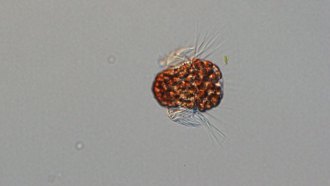
Plankton are often too tiny for our eyes to see. But when huge numbers bloom at once, they now can be ID’d from space, a new study shows.
- Health & Medicine
New e-skin feels heat, textures and more
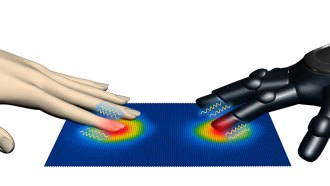
Two new developments in electronic “skin” hold promise for making prosthetic devices that can provide a better sense of touch. One gets its great sensitivity from being modeled on the human fingertip.
- Chemistry
Scientists Say: Radioactive
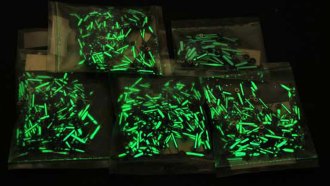
Some atoms have unstable centers. They periodically give off energy. This activity has a special description.