Uncategorized
- Chemistry
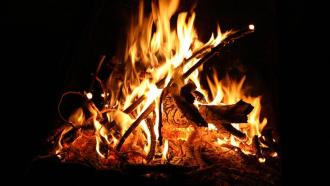
News Brief: Common campfire style is still the best
Humans tend to build fires in the same way, in a pyramid as tall as it is wide. New calculations show this shape burns hottest.
- Science & Society
Scientists Say: Forensics
When there’s blood, bones and fingerprints on a crime scene, it’s time to bring in the scientists. Their research is called forensics.
- Fossils
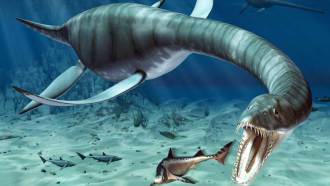
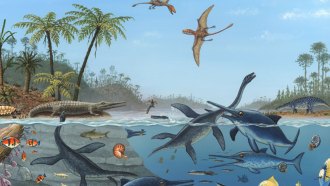
The real sea monsters
No known dinosaurs lived in the oceans. But there were lots of big aquatic reptiles that were every bit as ferocious and awesome.
- Fossils
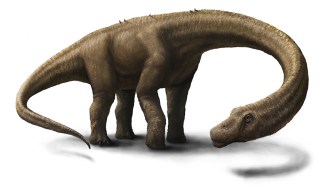
New analysis halves massive dino’s weight
No question about it, Dreadnoughtus schrani was enormous. But a new estimate concludes this dino weighed just half as much as first thought.
- Animals
These spiders can purr
This wolf spider can purr like no other. It makes vibrations and sounds to tell a female he’s interested in her.
- Planets
Cosmic collision may have given birth to Pluto’s moons
Hubble Space Telescope photos reveal that the Pluto family may have formed from debris left behind after something slammed into the dwarf planet.
- Physics
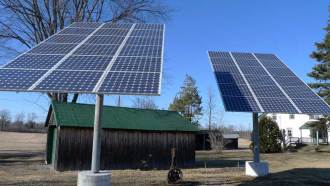
Scientists Say: Photovoltaic
This effect allows us to convert sunlight into electricity and is a popular renewable energy source.
- Animals
This endangered species gives new meaning to ‘single mom’
Scientists have found DNA evidence that in the wild, sawfish have produced offspring without mating. That’s a first for an animal with a backbone.
- Space
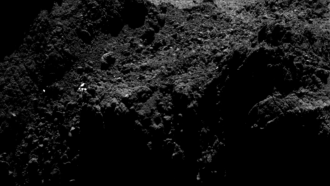
News Brief: Surprise — comet lander awoke!
Scientists think the lander’s instruments may have lots to share about comet 67P/Churyumov-Gerasimenko in coming days to weeks.
- Fossils
That’s no dino!
Not all ancient reptiles were dinosaurs. Some soared, many swam the seas and still others looked like dinos—but actually weren’t.
- Genetics
A germ stopper for blood products
A new system can disable almost all viruses or bacteria that are lurking in donated blood platelets and plasma.
- Health & Medicine
MERS virus hits South Korea hard
MERS — a killer viral disease — emerged for the first time only three years ago. That was in the Middle East. Now it has spread to Asia.