Uncategorized
- Life
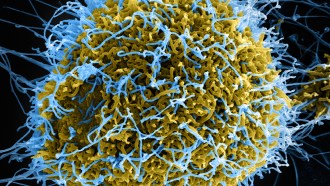
Explainer: What is a virus?
Viruses cause many of the world’s common diseases. These germs reproduce by hijacking the cells of their host.
- Earth
Gulf oil spill: Still poisoning dolphins to crickets
Once the 2010 Deepwater Horizon spill ended, oil continued to harm animals in the Gulf of Mexico. Five years later, it still may not be over, biologists worry.
- Animals
Biowarfare saves bats from killer fungus
Good news for bats. Those infected with white-nose syndrome may be cured by a brief exposure to fumes from therapeutic bacteria.
- Earth
Scientists Say: Eutrophication
When a body of water is filled with nutrients, algae and plants may take advantage. And their presence isn’t always a good thing.
- Math
To really learn, fail — then fail again!
Hands-on learning through trial and error is becoming more popular in schools. The good news: Mistakes can be very helpful.
- Earth
Glaciers on ice — for now
A rise in emissions of carbon dioxide, a greenhouse gas, isn’t just warming Earth. It also could be delaying the onset of the next global cool-down.
- Genetics
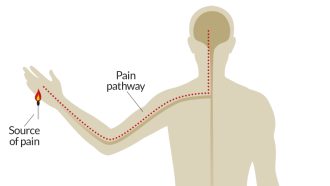
Altered gene leaves people totally painfree
That’s not a good thing for these people. Still, it could lead to a new class of drugs to help people who now suffer from chronic pain.
- Fossils
Fossil find adds a relative to our family tree
Lucy is the best known of our early ancestors. Now, a new fossil from Ethiopia suggests a second pre-human species lived alongside her kind.
- Earth
Too hot? Some peaks offer climate migrants lots of land
As mountain climates warm, species may actually gain ground as they migrate up to cooler sites, a new study finds.
- Animals
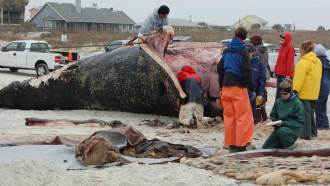
Scientists Say: Autopsy and Necropsy
Sometimes when animals die, they need to be investigated. These examinations have two special names. One is for people, the other for non-human animals.
- Health & Medicine
Vaping may harm the lungs
E-cigarettes are the most widely used tobacco product among U.S. teens. But emerging data suggest vaping can harm the lungs.
- Computing
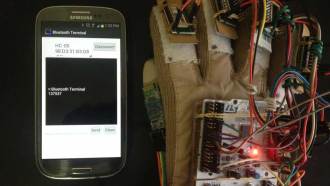
Computing: Swapping a glove for the keyboard
Sensor-studded gloves, designed by a Texas teen, might someday serve as a virtual keyboard or musical instrument — or even help interpret sign language.