Uncategorized
- Computing
Robo-roach squeezes through tight spaces
An arched shell helps a new cockroach-inspired robot move through an obstacle course with relative ease.
- Health & Medicine
Scientists Say: Zoonosis
Sometimes diseases in people come from animals. These diseases have a special name.
- Climate
The heat that keeps on giving
Burning fossil fuels generates heat and carbon dioxide. That pulse of heat is quickly exceeded by the warmth that carbon dioxide traps in Earth’s atmosphere.
- Animals
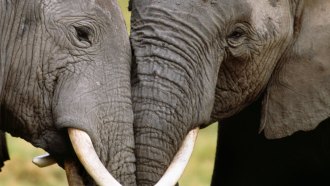
DNA in ivory pinpoints elephant poaching hot spots
Thousands of elephants have been killed for their ivory tusks. A new study used DNA in ivory to trace where most of the killings happen.
- Tech
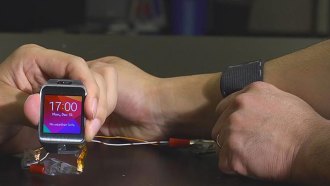
This battery stretches without losing oomph
Engineers have made a durable lithium-ion battery that can stretch to 150 percent of its original length. One day it could power wearable electronics.
- Earth
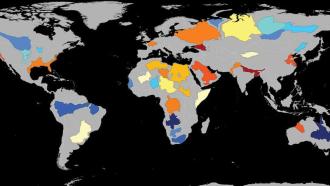
Many of Earth’s groundwater basins are drying out
A majority of Earth’s largest underground reservoirs of water are being depleted. These aquifers lose more water each year than they gain.
- Health & Medicine
Scientists Say: Carcinogen
We have all heard that some things — such as ultraviolent rays from the sun or dangerous chemicals — can cause cancer. These agents have a special name.
- Planets
Teen finds exoplanet
Tom Wagg discovered exoplanet WASP-142b while doing an internship. Just 15 at the time, he is possibly the youngest person ever to find an exoplanet.
- Health & Medicine
New ways to fight the flu
Influenza sickens millions each year. A worldwide epidemic could kill many of them. Fortunately, new ways to fight the flu offer hope — before it’s too late.
- Climate
Pacific hurricanes to strengthen as Earth warms
Global warming is heating up the oceans. That is causing waters to warm. As a result, Pacific storms — called typhoons — will become more destructive.
- Animals
More dinosaur bones yield traces of blood, soft tissue
More dinosaur bones are found to contain residues of blood and soft tissue. The discovery could help point to when dinosaurs turned into warm-blooded creatures.
- Animals
A whale of a journey
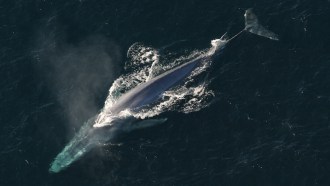
The 5,200-kilometer (3,200 mile) journey of Isabela provides a window into the migration patterns of blue whales.