Uncategorized
- Physics
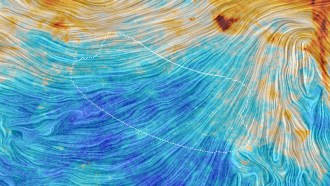
Dust erases evidence of primordial gravity waves
In March 2014, scientists claimed to have found the first echoes of the Big Bang — ripples in the very fabric of space. A new analysis shows the experts were mistaken. Dust appears to explain the confusion.
- Space
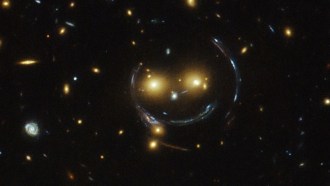
Picture This: Smiley face in space!
Ancients used to ‘see’ the outline of animals and other well-known things as constellations in the night sky. Now astronomers have done much the same thing. But they’ve spotted a more distant — if totally modern — shape: a smiley face!
- Materials Science
Scientists Say: Colloid
When water hovers in the air as fog and when bits of fat disperse in water as milk, they form a type of substance called a colloid.
- Brain
Screen time can mess with the body’s ‘clock’
Reading on an iPad in the evening can make it harder to fall asleep — and harder to wake up the next morning, a new study finds. The light from its screen tinkers with the body’s clock. And that could risk harming your health.
- Animals
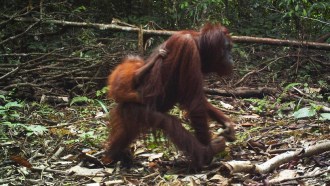
Orangutans take the low road
Cameras spotted orangutans walking down logging roads to get around. That may be a good sign that they can adapt to changes in their woodsy environment.
- Health & Medicine
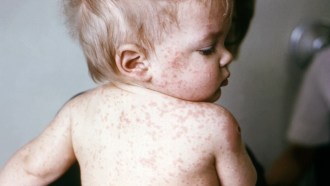
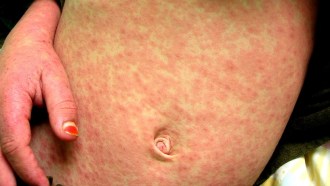
U.S. outbreak of measles emerges
The United States is experiencing an outbreak of measles. A traveler likely brought in the virus from abroad, which is now spreading. Most of those infected were never vaccinated and could now face serious health risks.
- Health & Medicine
10 things to know about measles
Many people think that the measles vaccine wiped out the disease — at least in the United States. It hasn’t. And people who were never vaccinated face the primary risk of getting this very serious disease
- Animals
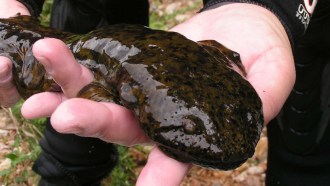
Hellbenders need help!
Hellbenders already face threats such as habitat loss, pollution and disease. But climate change could make matters worse. And the problems facing hellbenders could spell trouble for more than just these giant amphibians.
- Climate
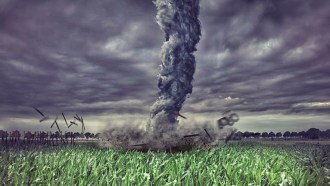
Distant pollution may intensify U.S. twisters
A new study of one of the deadliest U.S. outbreaks of tornadoes sees a possible role for smoke. In this analysis, the smoke had come from fires burning in Central America.
- Health & Medicine
Most students wrong on risks of smoking occasionally
Teens know that heavy smoking can seriously harm health. But most, a new study finds, don’t realize that smoking only now and then also is harmful. Data from a survey highlight teens’ mistaken ideas about the risks of intermittent smoking.
- Physics
Sometimes light is not so fast
The speed of light is often called a “constant.” Experiments now show that light doesn't always reach its top speed.
- Animals
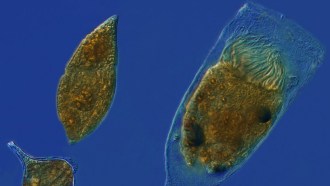
Scientists Say: Plankter
Plankton is the word used to describe a collection of these tiny free-floating organisms. This is what you call just one.