Uncategorized
- Animals
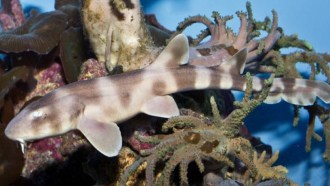
Shark: Who’s your daddy?
Female sharks can store sperm from a male for months before releasing a case containing a fertilized egg. But almost 4 years? That’s a new record that has biologists scratching their heads over how this could have happened.
- Computing
Don’t hold ’em – just fold ’em
Scientists have designed a problem-solving process that allows a computer to win at a kind of poker. It gives a computer enough knowledge to win against any opponent — eventually.
- Climate
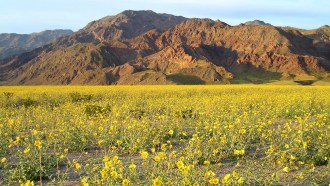
Desert plants: The ultimate survivors
Creosote, mesquite and other desert plants rely on different adaptations to thrive, even when no rain falls for an entire year.
- Climate
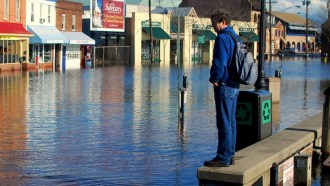
Fast sea level rise is a very recent change
Sea levels have been rising for more than a century. But that rise is now speeding up. That suggests that what is driving the rise — climate change — also has increased dramatically in recent years.
- Genetics
Immunity: Environment can have big impact
A study on twins suggests that environmental factors can shape a person's immune system more than genes do.
- Animals
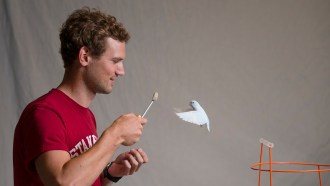
How birds stay in the air
The sensors inside a boxy device measure the forces generated with each stroke of a bird’s wings. Learning how much force is needed to keep a bird aloft could help in designing future drones that flap, hover and dart.
- Brain
A new ‘spin’ on concussions
Scientists have suspected that rotational forces in the brain may underlie concussions. A new study used athletic mouthguards containing sensors. Data on head movements during collisions suggest that a twisting of the brain may underlie mild brain injuries, including concussion.
- Physics
Machine simulates the sun’s core
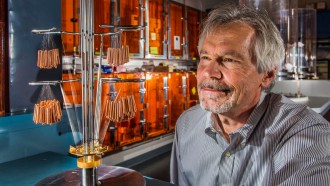
A machine heats iron atoms to temperatures that match the interior of the sun. This has helped solve a solar mystery.
- Animals
Resilient hearts for deep-sea divers
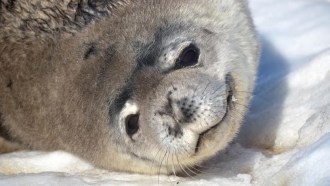
How do aquatic mammals have enough energy to hunt prey while steeply dropping their heart rate to stay underwater? A new study of dolphins and seals provides clues.
- Fossils
Scientists Say: Coprolite
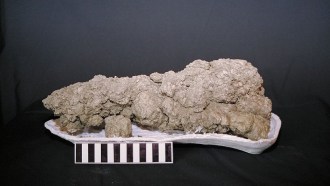
Every living thing and signs of its existence — right down to their wastes — can fossilize under the right conditions. When poop fossilizes, it gets a special name.
- Health & Medicine
Ongoing Ebola outbreak traced to hollow tree
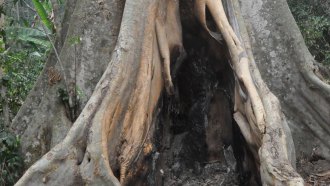
Scientists suspect the current Ebola outbreak started with bats that lived in a hollow tree in Guinea. The outbreak's first victim, a two-year-old boy, often played in the tree.
- Health & Medicine
New germ fighter turns up in dirt
Scientists have found a compound in soil that can kill the microbes that cause anthrax, tuberculosis and other diseases.