Uncategorized
- Earth
Tides may regularly swamp many U.S. cities
As sea levels rise, many cities will begin to experience frequent and extensive flooding at high tides. In some areas — even Washington, D.C. — such flooding could become a weekly headache.
- Chemistry
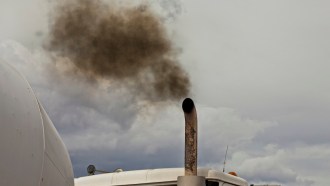
Air pollution can mess with our DNA
New research suggests a type of air pollution — diesel fumes — can affect your health. It inappropriately switches some genes on, while turning off others.
-
Finalists named for major teen competition in Washington
Forty teen researchers have been selected to compete in the Intel Science Talent Search. The event — a program of Society for Science & the Public — will take place in Washington, D.C., March 5 to11.
- Health & Medicine
A whale of a lifespan
Bowhead whales can live more than 200 years. The secret to such longevity may lie in the Arctic species’ genes. Scientists recently mapped the whale’s genetic code. They found features that protect the marine mammal against cancer and other problems related to old age.
- Life
Scientists say: Biomagnify
Chemicals in the environment can build up in an animal’s tissues. Predators who feed on these animals can accumulate more and more of the pollutants, a process known as biomagnification.
- Health & Medicine
Cold noses nurture colds
The common cold infects the nose. Scientists long have known the virus grows better there, but not why. Now, a study finds the body’s defenses simply don’t work as well under the nose’s slightly cooler temperatures.
- Space
Black holes are on collision course
But be patient. The distant galactic smashup is still some million years away.
- Computing
Virtual wounds: Computers probe healing
To better understand how the body heals wounds, scientists have begun creating computer programs that let virtual cells fight it out. These ‘computer games’ could lead to better medicines.
- Chemistry
Rewritable paper: Prints with light, not ink
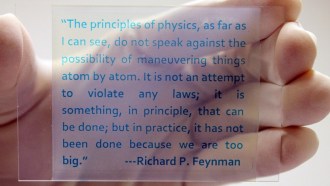
Rewritable paper could save money, preserve forests and cut down on waste — and all without using any ink.
- Animals
Bird DNA leads to strange family tree
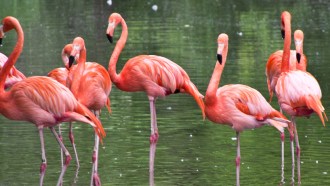
Field guides often group birds together by similarities in appearance or behavior. But a new study, based on DNA, confirms earlier suspicions that such groupings are only skin-deep.
- Genetics
Cell gangs may help cancer spread
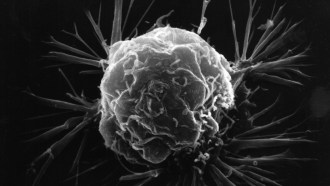
A new study on mice suggests that when cancer cells strike out from a primary (first) tumor in groups, they have an especially good chance of creating new tumors elsewhere.
- Health & Medicine
Scientists say: Inflammation
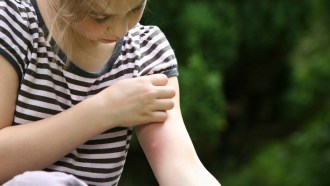
When cells are injured, they send out distress signals. The rescuing cells cause more blood to flow to the area, producing inflammation.