Uncategorized
- Animals
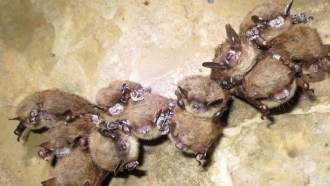
Picture This: Winter brings white noses
White-nose syndrome, caused by a fungus, has killed millions of bats in the eastern United States. Now, scientists show that the disease comes and goes, by season. The finding could help scientists more effectively target any treatments.
- Agriculture
Livestock: A need to save rare breeds
New studies and ongoing work highlight why society should save rare livestock breeds — and the part that technology can play.
- Agriculture
Explainer: What is a gene bank?
Most banks store money. But some very special ones store deposits that may prove even more valuable: tissues that could prevent the extinction of breeds and species.
- Brain
Harry Potter reveals secrets of the brain
Figuring out how the brain makes sense of what we read isn’t easy. So scientists enlisted the magical world of Harry Potter. It allowed experts to predict with great accuracy which brain areas would be active in a given part of the story.
- Computing
Explainer: What is a computer model?
Computer models use data, math and computer instructions to predict events in the real world.
- Earth
Plastics at sea create raft of problems
About 5.25 trillion pieces of plastic float in the world's oceans, a new study finds. That's a problem. This 269,000 tons of plastic can choke, entangle and poison a wide variety of sea creatures.
- Animals
Scientists say: Hibernaculum
This week’s word is hibernaculum, the word scientists use to describe the place where an animal goes to hibernate.
- Earth
Dino double whammy
Most scientists think an asteroid helped kill off the dinosaurs. But new calculations suggest that asteroid might have gotten some help from a long series of volcanic eruptions in what is now India.
- Climate
Thunderstorms can generate powerful radiation
Thunderstorms don’t just hurl lightning bolts. Some churn out high-energy radiation that can be seen by spacecraft. This radiation offers scientists a glimpse of the inner workings of thunderclouds.
- Animals
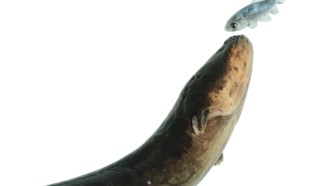
Electric eels get on their prey’s nerves
Electric eels wield remote control over their prey’s muscle movements. They do this by zapping their nervous system. Experiments suggest the creatures use these paralyzing bursts of energy to hunt, too.
- Chemistry
Asteroid impacts may have sparked life on Earth
The energy produced by comets and asteroids that collide with Earth may have been strong enough to start life.
- Physics
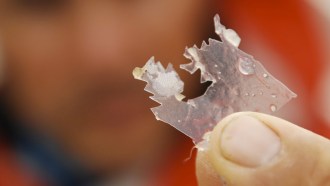
Picture This: Christmas from space
Satellite images show that cities brighten during holidays. Charting such changes can point to factors affecting energy use and contributing to global warming.