Uncategorized
- Tech
Repelling germs with ‘sharkskin’
A biotechnology company has found a way to repel superbugs without toxic chemicals. It mimics the texture of a shark’s skin.
- Animals
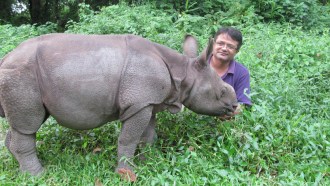
Rare as a rhino
Most species are rare. Some have always been rare. A problem develops when people are responsible for accelerating a species’ rarity to the point that extinction threatens.
- Earth
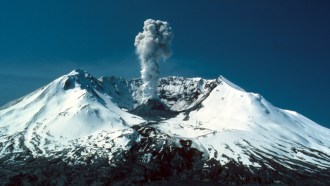
Explainer: The volcano basics
Here’s an overview of what they are, where they form and the many ways they pose dangers.
- Health & Medicine
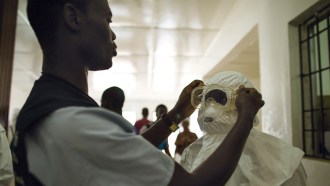
News Brief: U.S. gets its first Ebola case
Although U.S. hospitals have treated a handful of American health-care workers who had become exposed to Ebola in Africa, the first case of a sick traveller has emerged. His Ebola infection showed no symptoms until several days after he reached Texas. (Update: On October 8, the man died.)
- Fossils
Early dino-era start for modern mammals
Fossils of an extinct group of rodent-sized mammals suggest they were related to modern mammals. These ancient remains push back the origin of mammals by many millions of years.
- Computing
3-D printers are making cars!
3-D printing technology makes it possible to print anything — even a car. A team of engineers designed the Strati and then printed the electric cars at events in Chicago and New York.
- Tech
Explainer: What is 3-D printing?
A new type of computer printer is already doing a lot more than spraying ink onto paper. Some dispense metal, plastic, food — even cells. In short order, people may be able to manufacture almost anything from their home or office.
- Earth
News Brief: Volcano in Japan kills dozens
Japan’s Mount Ontake is a favorite hiking spot. But an unexpected midday eruption on September 27 surprised hundreds on the mountain. Unable to escape, dozens near the summit died.
- Microbes
Recycling the dead
When things die, nature breaks them down through a process we know as rot. Without it, none of us would be here. Now, scientists are trying to better understand it so that they can use rot — preserving its role in feeding all living things.
- Archaeology
Pyramids’ blocks: Possibly rock ‘n’ rolled
No one knows how the ancient Egyptians moved the big stones needed to build their pyramids. A new study suggests they could have rolled them, by attaching wooden posts to the sides.
- Planets
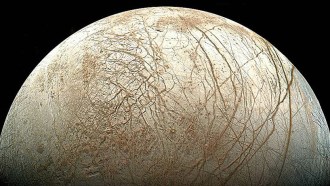
This moon’s surface slides, just like Earth’s
Europa is one of Jupiter’s giant, icy moons. Scientists say it has plate tectonics, which means its surface is covered by moving, giant slabs.
- Health & Medicine
Ebola epidemic could top 1 million, CDC warns
The deadly Ebola epidemic ravaging West Africa has now infected more people than in all previous outbreaks put together. And still the numbers of the sick and dying continue to grow, not shrink.