Uncategorized
- Animals
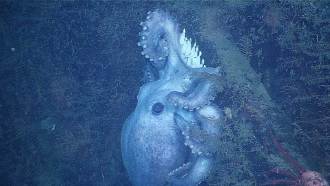
Octopus sets egg-nurturing record
Animals will do extraordinary things to help their babies survive. Consider ‘Octomom:’ She sat on one clutch of eggs for nearly 4.5 years.
- Tech
Fashioning inks to ‘print’ tissues
3-D printing may one day create life-saving tissues and organs for transplants. But first researchers are learning how to tailor cell-filled “inks” for use in inkjet printers.
- Fossils
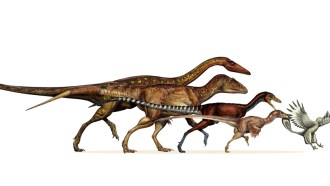
Dinos ‘quickly’ shrunk into birds
Scientists had long known birds descended from dinosaurs. A study now shows that the morphing from dinos into birds went along with a quick and steady shrinking of their body sizes.
- Microbes
Record Ebola epidemic strikes
A record outbreak of the deadly disease has already claimed nearly 1,000 lives in West Africa. Scientists suspect bats or eating some other wild animals may have triggered the epidemic.
- Tech
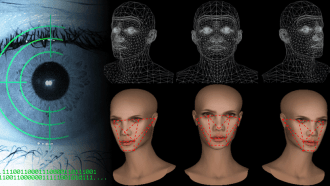
Biometrics: New IDs that are uniquely you
Fingerprints are so last century. Computers soon may start identifying people by their eyebrows, heartbeats or even networks of blood vessels under the skin.
- Physics
Bracing sand sculptures with gravity
Natural sculptures of sandstone withstand strong winds and rains. The reason, a new study concludes: Gravity holds the sand grains together.
- Brain
Lacrosse: Different genders, same injuries
Scientists find that boys’ and girls’ versions of lacrosse lead to similar injuries. Because girls frequently get concussions, the study argues that like the boys, girls too should wear helmets.
- Health & Medicine
Clay: A new way to fight germs?
Geologists have discovered a type of volcanic clay that shows promise in fighting infections — maybe even ones resistant to antibiotic medicines.
- Chemistry
Chemistry: Green and clean
“Green” means environmentally friendly and sustainable. Green chemistry creates products and processes that are safer and cleaner — from the start.
- Environment
Explainer: What are endocrine disruptors?
Some chemicals can act like hormones, turning on or off important processes in cells. That can harm development or even trigger disease.
- Health & Medicine
Screen time: Most U.S. teens overindulge
Too many 12- to 15-year olds spend hours each day doing little more than pushing buttons on the TV remote or a computer’s keyboard, a government survey finds.
- Animals
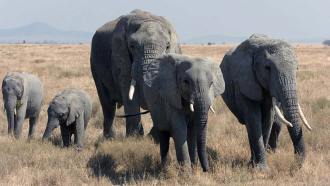
Elephants appear to be super sniffers
Elephants are not only massive, but also possess the most odor-detecting genes of any animal known, new research shows.