Uncategorized
- Environment
Bug-killer linked to decline in birds
One of the most popular chemicals used to protect crops from bugs may also take a toll on birds, a Dutch study finds. U.S. farmers also rely on these insecticides, a second study finds.
- Microbes
The Bahamas’ African roots
Ocean bacteria may have built the Bahama islands, fed by dust blown across the Atlantic from the Sahara Desert.
- Genetics
High-altitude help from extinct ancestors
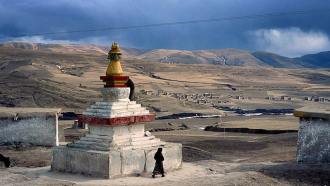
The Tibetan plateau is high in altitude but low in oxygen. An unusual version of one gene in Tibetans' DNA helps them survive this environment. And that gene appears to have been passed along from Denisovans, a Neandertal-like ancestor.
- Fossils
Some Arctic dinos lived in herds
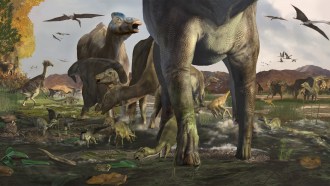
Fossil footprints retrieved from Alaska indicate that plant-eating duckbill dinos not only traveled as extended families but also spent their entire lives in the Arctic.
- Brain
Choosing shocks over contemplation
Some people think being alone is unpleasant. In one new study, some found choosing to get a painful shock helped them endure being alone for 15 minutes.
- Physics
Smooshed diamonds: A window into exoplanets?
Scientists have compressed diamonds more than ever before. Their carbon may give clues to what conditions might be like deep within planets way beyond our solar system.
- Fossils
Newly dated footprints: Oldest human tracks?
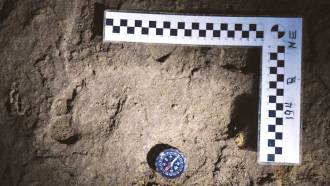
These footprints, found nearly a half-century ago, may be almost four times older than first thought, scientists now report.
- Animals
Bugs may have made us brainy
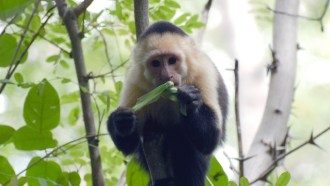
Finding and eating bugs when other food was scarce helped primates — including our ancestors — evolve bigger and better brains. At least that’s the conclusion of a new study in Costa Rica.
- Health & Medicine
Young blood: The elixir of youth?
Old mice show improved memory when blood from young mice circulated through their brains, a new study finds. Other studies suggest one ingredient in that young blood might be all it takes to deliver benefits.
- Microbes
The war on superbugs
Doctors and scientists are exploring ways to stem the growing global crisis of antibacterial resistance.
- Microbes
Explainer: What you can do to fight antibiotic resistance
Doctors and scientists are not the only people who can help preserve the effectiveness of life-saving antibiotics. Even patients have a role to play, as these tips show.
- Microbes
The HIV cure — that wasn’t
Immediate and aggressive drug treatment of a baby born with HIV appeared to have cured the girl. In fact, a follow-up shows, she still has the disease.