Uncategorized
- Fossils
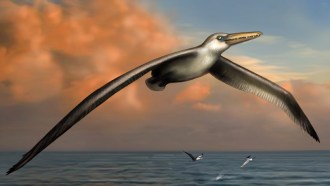
Mega-bird!
What may have been the bird world’s biggest flier ever had wings so long, they would have had trouble flapping fast enough to keep it aloft in tough winds. But this behemoth would have been able to soar both far and fast.
- Agriculture
Your food choices affect Earth’s climate
Producing food can put a lot of climate-warming pollutants into the atmosphere. But some foods, especially meats, contribute more than others.
- Microbes
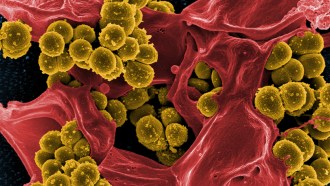
Superbugs: A silent health emergency
Have antibiotics become too popular? Overusing these medicines fuels resistant germs that pose a global health threat.
- Microbes
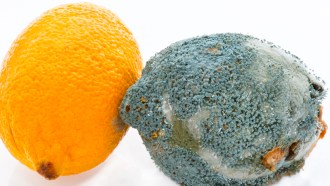
Explainer: Where antibiotics came from
A mold proved the source of the first known antibiotic: penicillin. But chemical dyes would lead to the first antibiotics used in treating people.
- Health & Medicine
Sunlight makes pleasure chemical in the body
A day on the beach might deliver more than a tan (or sunburn). It may also release potent brain chemicals that leave people with a pleasurable feeling.
- Fossils
This dino-bird is super-feathered
This late-Jurassic dino was also a bird. Its ample coat of feathers emerged before any need for flight.
- Archaeology
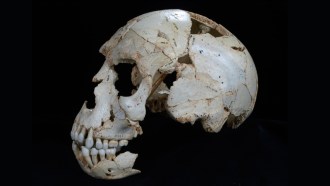
Neandertal ancestor?
Fossils found in a Spanish cave have features that are a combination of Neandertals and other species. The mix suggests Neandertal roots go back even farther than scientists had suspected.
- Space
What to wear on Mars
NASA released details of the new, more flexible apparel being designed for long-distance travelers — such as those bound for another planet.
- Physics
Very-sub-zero water
Using lasers, scientists measured the temperature of water droplets that remained liquid even when super-cold.
- Animals
Cool Jobs: A whale of a time
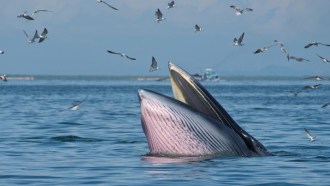
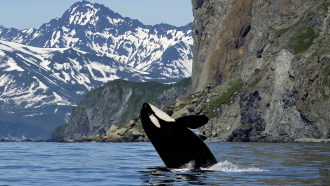
Studying blue whales, spinner dolphins and other cetaceans demands clever ways to unveil the out-of-sight behaviors of these marine denizens.
- Animals
Explainer: What is a whale?
Can a dolphin be a whale — or a whale be a dolphin? Yes, because the terms used to describe the biggest marine mammals are quite elastic and fuzzy.
- Microbes
How a germ killer could backfire
A common ingredient in toothpaste and hand sanitizers kills germs on contact. But it also can kill the helpful germs that make water safer.