Everyone experiences malicious joy now and then
Though this emotion — schadenfreude — is normal, what we do with it can have big impacts

Sometimes we just can’t help but enjoy another person’s misfortune. Germans have a word for this feeling: schadenfreude.
FluxFactory/E+/Getty Images Plus
This is a human-written story voiced by AI. Got feedback? Take our survey . (See our AI policy here .)
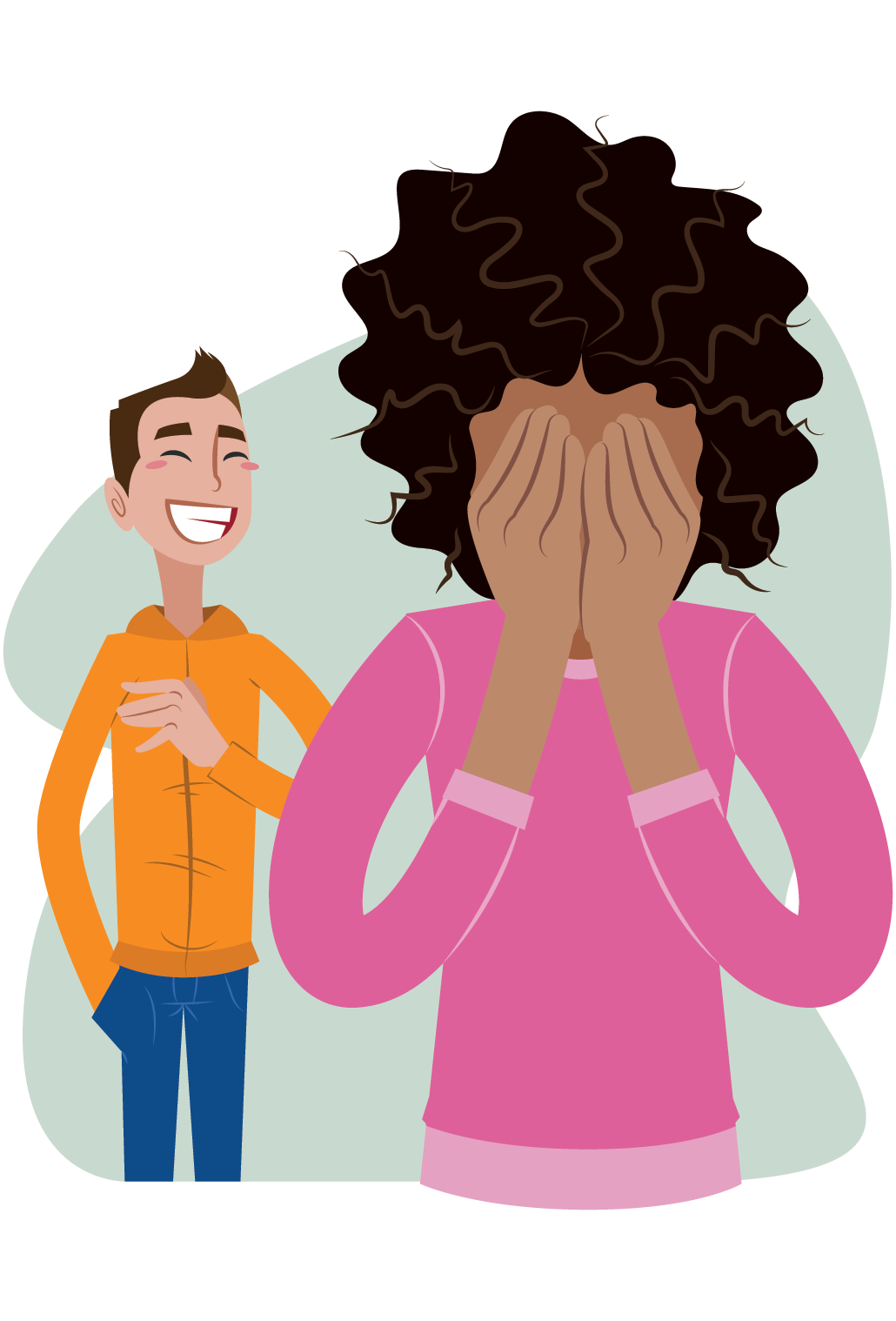
If you ever laugh when someone trips or drops their lunch tray, it may feel a little cruel — and it is. But like anger, sympathy or regret, that jolt of pleasure is a totally normal human emotion.
We don’t have a term for it in English. But the Germans call it schadenfreude (SHAH-den-froy-duh). It means taking joy at someone else’s misfortune.
People don’t tend to talk much about this feeling, probably because it feels inappropriate. But maybe we should, research suggests. Most of the time, schadenfreude is pretty harmless. Other times, it can have big consequences.
Scientists are learning more about how and when people feel schadenfreude. They’re studying situations in which this normally harmless response can escalate. And they’re developing ways to help young people identify schadenfreude when they feel it.
The key lies in how we respond when feeling this lesser-known emotion. If we’re not careful, it can lead to more serious behaviors, such as bullying or revenge. But in the right situations, it can actually be tapped for good.
The strange emotion of malicious joy
Schadenfreude is complicated. It’s when we feel pleasure or joy — but only when something goes wrong for someone else. To be clear, we don’t necessarily do anything to harm that person. Most of the time, we just witness or hear about the unlucky event.
Different things can cause these positive feelings. Exactly what triggers them seems to depend on our age. It also matters what our relationship is to the person experiencing the mishap.
Simone Shamay-Tsoory has studied schadenfreude in children as young as two. She’s a psychologist at the University of Haifa in Israel. In one 2014 study, she found that young kids feel this emotion when their mother had given another child more attention.

Shamay-Tsoory recruited mothers to bring their young child and a child’s friend into the lab. During the session, the mother read a book to the child’s friend. While she read, her son or daughter played on their own. The friend got mom’s attention, which caused her child to feel jealous.
When mom then “accidentally” spilled water on her book, jealous children acted happy. When both children were treated equally, neither acted happy after the spill. The researchers interpreted that happiness as a sign of schadenfreude.
The Israeli study is an example of “justice” schadenfreude. It “appears when someone who has hurt us gets what they deserve,” explains psychologist Christian Cecconi. He’s studied schadenfreude at Roma Tre University in Rome, Italy. It’s also the feeling we get when a thief gets caught while running away.
“Feeling satisfaction in that moment is natural,” Cecconi says. “It’s like justice has been restored.” Schadenfreude may have evolved in response to these types of unfair situations.
But not all schadenfreude involves righting a wrong.
An “aversion” type “happens when we dislike someone — even without a clear reason,” Cecconi says. Maybe you know someone has been rude to others in the past. So when something bad happens to them, you enjoy it. “Seeing that person fail makes us feel better,” he says. “It reminds us we’re not like them.”
Sometimes competition with others can trigger schadenfreude. “This happens when someone seems to outshine us,” Cecconi explains. Maybe a peer gets a higher grade than you and makes you envious. But that person later gets in trouble for acting up in class. The happiness we feel when they get busted is tied to relief. It reminds us the other person isn’t actually better than we are.
You don’t have to know the person experiencing the misfortune, either. People often enjoy it when celebrities face setbacks. Guilty pleasure is the reason many reality shows and funny-fail accounts are so successful.
Guilty pleasure serves a purpose
Schadenfreude is common. So why don’t we hear more about it? Perhaps because it feels wrong. We know we’re not supposed to feel happy when others are embarrassed or in pain. But it happens anyway.
Why?
At its heart, schadenfreude is built on conflicting emotions, suggests one brain study. In 2009, researchers in Japan used functional MRI (fMRI) to study the brains of young adults as they read about some made-up person. Such fMRI imaging can identify parts of the brain that are active during a task.
When the fictitious person performed better than them at something or had higher social status, participants reported feeling envious. And their brains showed activity in a region tied to pain, both physical and emotional. It’s called the anterior cingulate (SING-gyew-let) cortex. Their envy caused these people emotional pain, the results suggest.
When the fictitious person later suffered some misfortune, another brain area got busy. Called the ventral striatum (Stry-AY-tum), it helps process rewards. After the brain scan ended, these participants reported feeling schadenfreude. The stronger their envy, the stronger the schadenfreude. That emotion appeared to help soothe that pain caused by their envy, the researchers concluded.
“Even if schadenfreude might seem like a guilty emotion, it actually plays an important role,” Cecconi concludes. “It helps us understand ourselves and our relationships with others.”
The changing nature of schadenfreude
Young kids most often experience justice schadenfreude. But as they grow into teens, the emotion shifts into the other types. That’s the finding of a 2025 study in Psicothema.
“Adolescents display a more complex morality” than children, says Antonio Cabrera-Vázquez, the study’s lead author. He’s a graduate student in educational psychology at the University of Córdoba in Spain. When teens assess the actions of others, they’re not just focused on whether a misfortune is deserved. They’re “also influenced by interpersonal factors,” he says. “Such as liking or disliking others.”
That shift to aversion schadenfreude can come with real consequences. Cabrera-Vázquez studied almost 3,200 kids between the ages of 10 and 17. Those up to age 13 reported higher levels of justice schadenfreude. Older teens reported more of the aversion type. They also were more likely to be involved with cyberbullying. And those who reported the lowest levels of justice schadenfreude were most likely to cyberbully others.
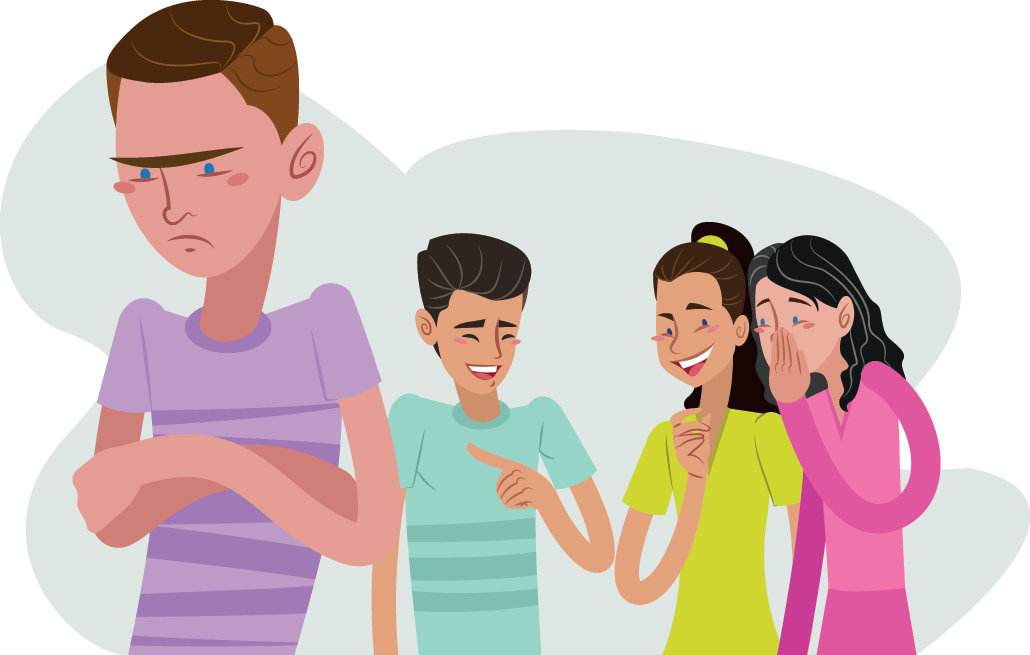
How bad bullying got depended on the classroom environment, Cabrera-Vázquez found in a second study. When students were in classrooms where they were expected to be kind, aggression was rare. Without those expectations, bullying happened more often.
What’s the connection? People who enjoy others’ misfortunes tend to also show other behaviors. They tend to be “manipulative, emotionally cold and socially aggressive,” he says. They’re more likely to spread rumors, for instance, or form groups that exclude someone.
Over time, these acts can snowball into more harmful types of harassment, he says. “In this sense, pettiness and schadenfreude are not harmless feelings.” Rather, he notes, they are “possible precursors to more serious, abusive behavior.”
When we’re young, we can’t help feelings of schadenfreude. But as we get older, we learn that empathy is a better response to the misfortune of others. By putting ourselves in the other person’s shoes, we can step up to help, rather than laughing at their expense.
Do you have a science question? We can help!
Submit your question here, and we might answer it an upcoming issue of Science News Explores
Stopping the negative slide
What if you’re on the receiving end of bullying — in person or online? It’s easy to feel hurt and angry. But too much focus on negative emotions can cause people to seek revenge. And that’s a place you don’t want to be, says Loren Toussaint. He’s a psychologist at Luther College in Decorah, Iowa. His research focuses on how forgiveness can affect our mental and physical health.
“Hatred destroys everything it touches, including you,” he says. You might not notice its effects right away. But over time, it can lead to mental-health issues, such as anxiety and depression. A person’s “fight-or-flight reaction tends to be overly activated,” he says. That can lead to long-term health problems.
Poorer health outcomes can show up “even when people are just thinking about revenge,” Toussaint says. “You don’t have to actually be enacting it.”
A hyperfocus on revenge can become almost like an addiction. That’s according to researchers at the Yale School of Medicine in New Haven, Conn. Over time, they note, a desire for revenge activates the brain circuits involved in drug and alcohol addictions.
Forgiveness plays an important role in preventing that slide into dangerous waters, Toussaint says. But he wants to be clear: Forgiveness isn’t the same as accepting or excusing bad behavior.
“Forgiveness is saying at the very starting point, [what they did] was wrong,” he says. “But I’m not going to hold it against [them] in my heart for days, months, years to come.”
At a minimum, the goal is to treat the person who harmed you in a neutral way. Sometimes forgiveness can help us patch up relationships. But when that doesn’t happen, letting go of your hatred still helps you return to a happier, healthier state.
And happiness matters, Toussaint points out. It helps us flourish, like a plant that gets plenty of sun and water. When we flourish, we can live life to the fullest. That’s especially important for young people who are figuring out what their lives might look like. Letting go of past hurts can restore happiness to someone who had been focused on payback.
Forgiving isn’t easy. It takes practice and a firm decision to stick with it. “The absolute best thing you can do is stay committed to it,” Toussaint says. Think of it as a skill, like learning to throw a curveball or land a tricky jump. The more you work on it, the more likely you are to succeed. For those who struggle with this, there are resources that can help you get started. Toussaint recommends Forgiveness Foundation and Discover Forgiveness.
The upside to schadenfreude
Knowing schadenfreude comes to us so naturally, there may be ways to harness it for good, says Yael Zemack-Rugar. She studies consumer psychology at University of Central Florida in Orlando. She was part of a team that found schadenfreude can help boost how much money fundraising events collect. They shared this finding in the April 2025 Journal of Consumer Psychology.
Let’s say your school is having an event to raise money. The study suggests that including a dunk tank or pie-throwing event might bring in more funds. But how much it raises depends on who is sitting over the water or getting a face full of pie. If a teacher, principal or coach is the target, more students will pay to take part.
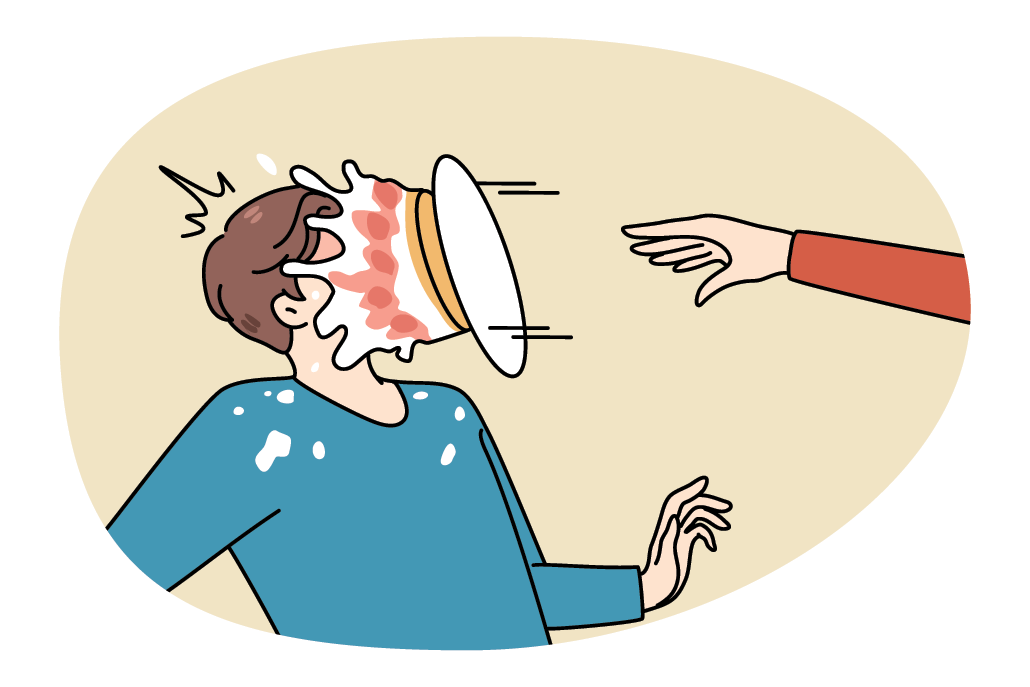
“These people normally have power over us,” Zemack-Rugar says. “That makes it feel exciting and funny when we get to be in charge in a harmless way.” Giving your teacher a face full of whipped cream helps level the playing field, at least for the moment. Same goes for soaking the principal over and over again. “People will enjoy knocking them down a peg,” she says.
So the next time you’re at a school carnival, get in line for the dunk tank or pie throw. We all enjoy knocking someone off their pedestal now and again. However, Zemack-Rugar adds, “this only works if they don’t experience any real harm.”