
All Stories by Bethany Brookshire
- Physics
Scientists Say: Multiverse
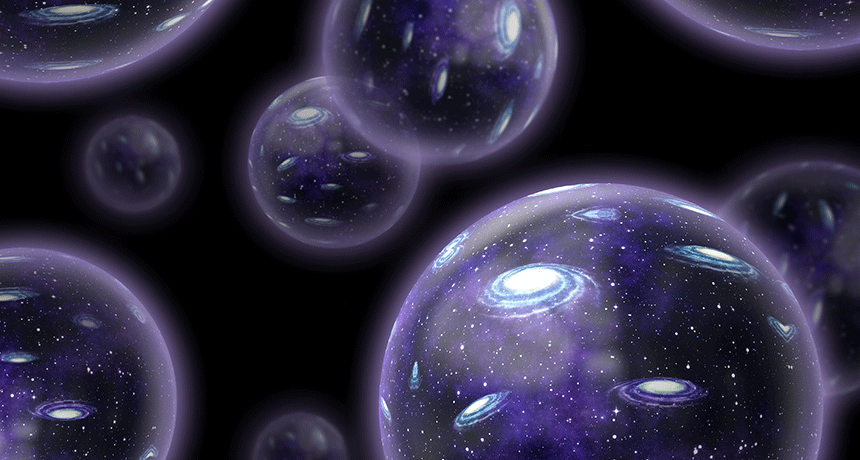
The multiverse is an idea that there are many universes out there, including the one we live in. Each universe has an alternate reality.
- Brain
The immune system has a say in how hard ‘teen’ rats play
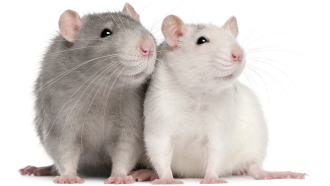
“Teen” rats like to wrestle. A new study shows the brain’s immune system might trigger changes that morph this desire for rough-and-tumble play into the calm of adulthood.
- Health & Medicine
Scientists Say: Quarantine
This is a restriction on where people or animals who are sick — or suspected of being sick — can go. Doctors use quarantine to try to prevent a disease from spreading.
- Health & Medicine
Bacteria and bugs will save us from the zombie apocalypse
Don’t fear the undead. Here’s how the body’s cells, microbes and insects will eat a zombie before it ever goes looking for brains.
- Health & Medicine
Scientists Say: Parasite
Lots of organisms live in pairs, benefitting from each other. But when one organism benefits while the other suffers? That first organism is a parasite.
- Ecosystems
Scientists Say: Understory
A forest isn’t made just out of the tallest trees. Shorter trees and shrubs thrive in their shade. This layer is called the understory.
-
Scientists Say: Data
Data are a group of facts that are collected together for analysis.
- Space
Scientists Say: Yellow dwarf
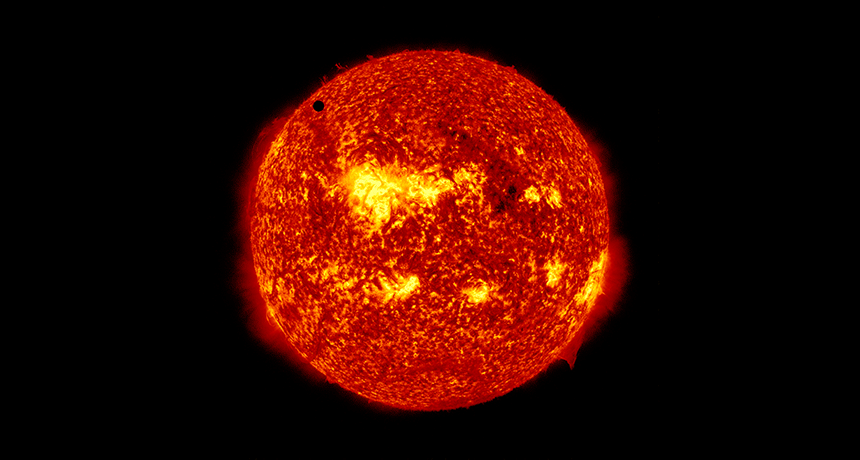
Yellow dwarf is a term used for a medium-sized star. Our sun is a yellow dwarf.
- Physics
Doctor Who’s TARDIS is bigger on the inside — but how?
The TARDIS looks like a old police box on the outside. But on the inside, it’s got plenty of space. How does that work? It just takes a wormhole and a tesseract or two.
- Health & Medicine
Explainer: What are proteins?
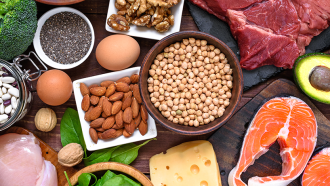
In the body, proteins act as biochemical machines to carry out the work of cells.
- Humans
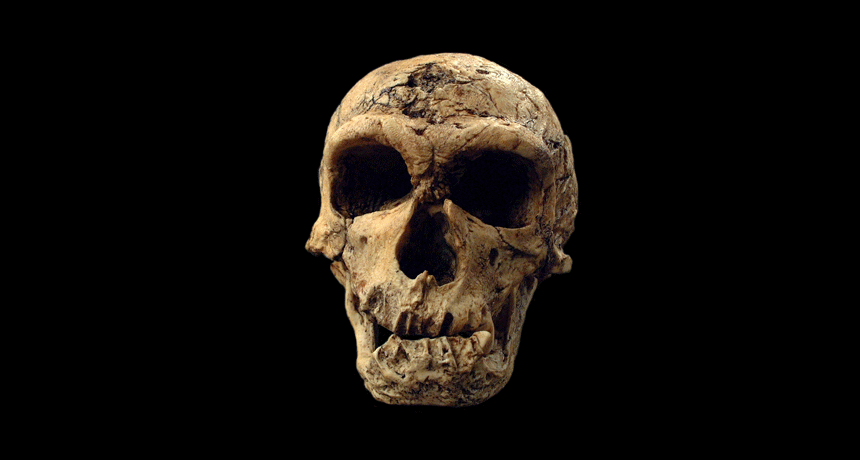
Scientists Say: Neandertal
This extinct species is a close relative of modern humans. Neandertals lived in Europe and Asia, and made tools and jewelry — just like us.
- Chemistry
Scientists Say: Kelvin
Kelvin is a temperature scale. It’s based around the concept of “absolute zero,” a temperature so cold that molecules stop moving.