Questions for ‘Calls of the wild offer sound guidance for protecting animals’ 
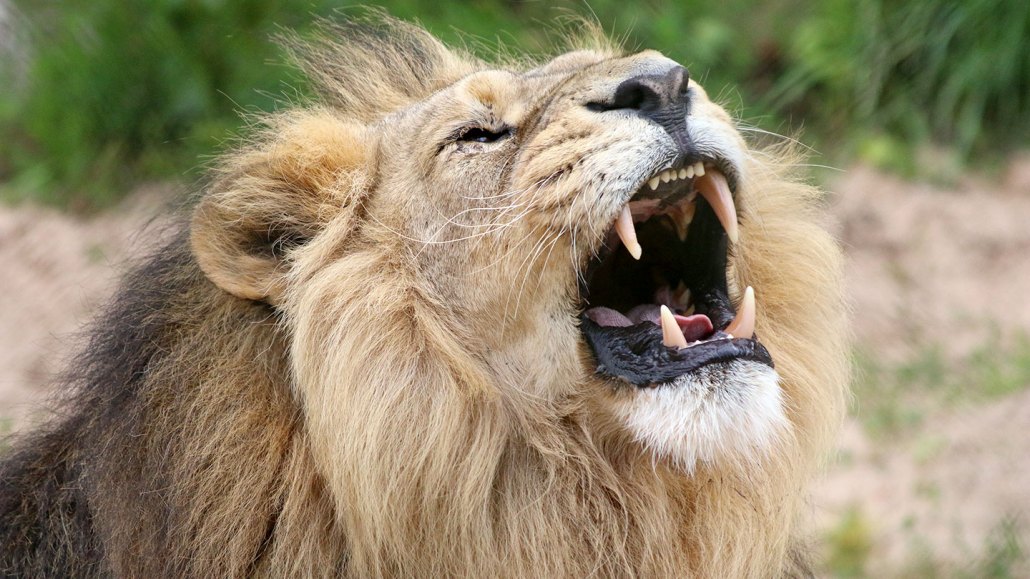
a male lion with its mouth wide open, mid-roar

A lion’s roar contains a unique vocal signature that may help conservationists track individuals by sound alone. It’s just one way that bioacoustics is changing how scientists understand and protect wildlife.

Hayder/iStock/Getty Images Plus

To accompany ‘Calls of the wild offer sound guidance for protecting animals’  

SCIENCE

Before Reading:

  1. Imagine closing your eyes in a forest at dawn. You cannot see wildlife around you, but you can hear it. Based only on what you hear, what might you learn about the wildlife in this forest? Explain your answer.
  2. The word acoustic refers to something related to sound. What do you think bioacoustics might mean? Explain your answer.
  3. List three animals that use sounds to achieve something. Describe a type of sound each animal might make. Then, come up with one specific thing each animal may be trying to achieve by making this sound.

During Reading:

  1. List three things that bioacoustics data can help scientists learn about a region’s wildlife.
  2. Describe some of the challenges researchers face when studying the behaviors of leopards in the wild.
  3. How did Jonathan Growcott’s team use artificial intelligence to help analyze bioacoustics data?
  4. Describe some unique features of Cao-vit gibbon vocalization behaviors.
  5. How does Angela Dassow use bioacoustics to determine an animal’s location?
  6. What kinds of sounds does Dassow’s tiger alarm system detect?
  7. What did researchers hope to achieve by developing the Whale Safe tool?
  8. List two places where Whale Safe has been used.
  9. What is a spectrogram? Why do Jeppe Have Rasmussen and his team convert their audio data into spectrograms?
  10. Give a specific example of something Rasmussen and his team have learned using bioacoustics data.

After Reading:

  1. Besides the places described in this story, where else in the world might bioacoustics help us learn about wildlife in a region? Choose one location and briefly describe how you might set up recording equipment there. What is something you might learn from analyzing audio recordings that you would not readily learn from visual data alone?
  2. This story describes a bioacoustics alarm system used in Nepal to warn villagers when tigers are in the area. Why didn’t the researchers design this system to listen for tiger roars or other tiger vocalizations? How does it use other sounds to detect tigers? Briefly explain the benefit of this alarm system for people. How might this system also help tigers?