Biological Evolution: Unity and Diversity
- Animals
Attack of the inner-cannibal mega-shark
The outsized megalodon was a fierce terror that chewed its way across the oceans. It learned to kill even before it was born.
- Animals
When physicians and veterinarians team up, all species benefit
When doctors for people and those for animals share their expertise, they can discover new ways to take better medical care of all species.
- Physics
Here’s how giant pumpkins get so big
Cinderella took a ride in a pumpkin coach. Though real pumpkins do get big enough, here’s why their ride would be uncomfortable at best.
- Genetics
Gene editing can alter body fat and may fight diabetes
Researchers have long dreamed of using brown fat to fight obesity and diabetes. Work in animals shows they’re closing in on achieving that dream.
- Health & Medicine
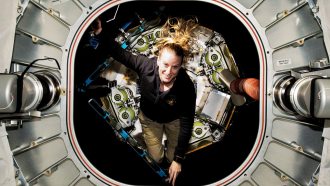
Surviving Mars missions will take planning and lots of innovation
Astronauts that go to Mars will need protection from microgravity and radiation, plus mini-medical devices to diagnose problems and manage emergencies.
- Genetics
Some Neandertal genes may up the risk of severe COVID-19
Most of the affected people descend from communities in South Asia or live in Europe today.
- Animals
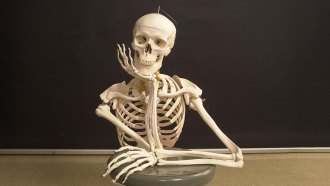
Let’s learn about bones
Bones hold us up and help us fight gravity with every step. They also make blood cells, hormones and more.
- Health & Medicine
Trio wins 2020 Nobel for discovery of hepatitis C
It took 50 years from discovery of hepatitis C to its cure. For their pivotal work in this area, three men will take home a 2020 Nobel Prize.
- Animals
See what these animal mummies are keeping under wraps
A new method of 3-D scanning mummified animals reveals life and death details of a snake, a bird and a cat that lived in ancient Egypt.
- Health & Medicine
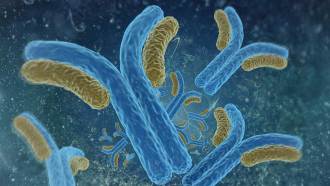
A glowing new way to measure antibodies
Researchers invent a way to detect and measure antibodies with glowing proteins. Antibodies can mark exposure to various diseases.
- Animals
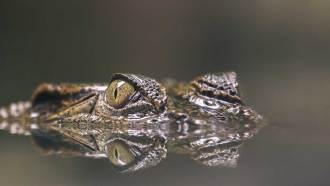
Let’s learn about alligators and crocodiles
Alligators and crocodiles seem similar — but they live in different places and look different, too.
- Chemistry
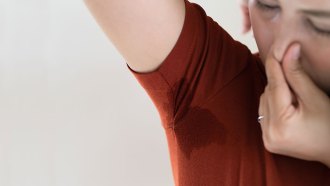
Stinky success: Scientists identify the chemistry of B.O.
They turned up the enzyme in bacteria behind that underarm stench. Understanding how it works could pave the way to new types of deodorant.