Biological Evolution: Unity and Diversity
- Animals
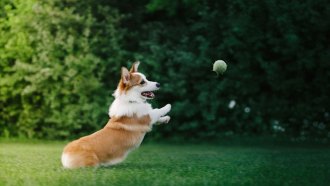
Let’s learn about dogs
From learning the names of their toys to sniffing out viruses in human sweat, dogs are far more than household pets.
- Fossils
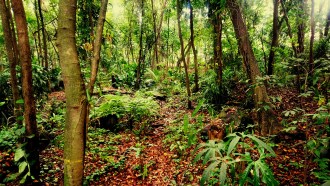
Dinosaur-killing asteroid radically changed Earth’s tropical forests
The asteroid collision initially reduced the diversity in what had been sunny tropical rainforests. In time, the forests would become permanently darker.
- Animals
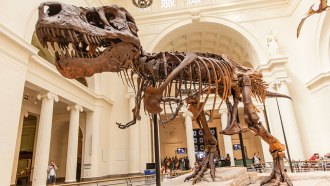
Scientists Say: Dinosaur
Dinosaurs emerged between 243 and 233 million years ago. While some died out 66 million years ago, others are still with us — birds.
- Fossils
An ancient hippo-sized reptile may have been a speedy beast
An Anteosaurus was a hefty reptile with a large snout. Its fossil skull hints that it may have moved fast for its time.
- Animals
Science and Indigenous history team up to help spirit bears
When scientists and Indigenous people work together, their efforts can benefit bears and people.
- Animals
Explainer: Black bear or brown bear?
If you see a bear, check size, shape and more to find out what type it is.
- Brain
Scientists may have finally found how catnip repels insects
The plant deters mosquitoes and fruit flies by triggering a chemical receptor that, in some animals, senses pain and itch.
-
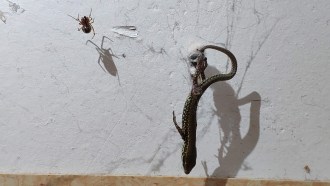
Tiny spider uses silk to lift prey 50 times its own weight
Dropping the right silk let’s a spider haul mice, lizards and other giants up off the ground.
- Health & Medicine
Bringing COVID-19 vaccines to much of world is hard
The price of not vaccinating nearly everyone across the world could be a longer pandemic and more troubling variants of the new coronavirus.
- Fossils
Scientists Say: Hominid
Scientists are still working out what counts as a hominid. Some say it’s just people and our extinct ancestors. Others say add more apes.
- Genetics
By not including everyone, genome science has blind spots
Little diversity in genetic databases makes precision medicine hard for many. One historian proposes a solution, but some scientists doubt it’ll work.
- Health & Medicine
Some young adults will volunteer to get COVID-19 for science
Researchers will soon give some healthy people the new coronavirus. Their young volunteers have agreed to get sick to speed coronavirus research.