Biological Evolution: Unity and Diversity
- Animals
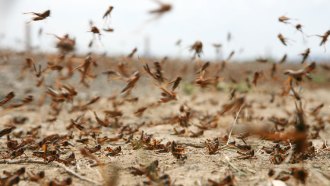
A single chemical may draw lonely locusts into a hungry swarm
Swarms of locusts can destroy crops. Scientists have discovered a chemical that might make locusts come together in huge hungry swarms.
- Microbes
Some deep-seafloor microbes still alive after 100 million years!
Some starving microbes nap while awaiting their next meal. For some living miles below the ocean surface, that nap may exceed 100 million years.
- Genetics
A Hong Kong man got the new coronavirus twice
His is the first confirmed case of reinfection with this virus. His second bout was detected by accident, because he showed no symptoms.
- Animals
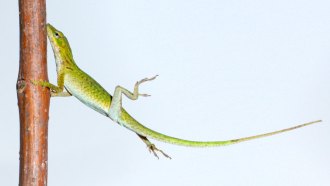
Analyze This: Hurricanes may help lizards evolve better grips
Lizards have larger toepads in areas that tend to have higher hurricane activity. This suggests high winds select for those that can hang tight.
- Animals
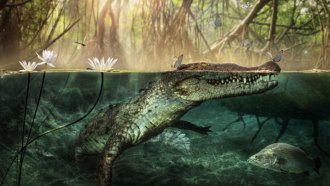
American crocs seem to descend from kin that crossed the Atlantic
A fossil hints that early crocodiles crossed over from Africa, millions of years ago, to colonize a new land.
- Archaeology
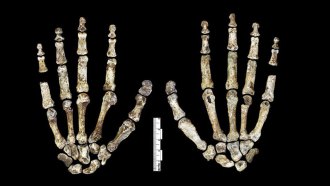
Let’s learn about early humans
Homo sapiens are the last member left of our genus. But many other species of early humans existed before us.
- Chemistry
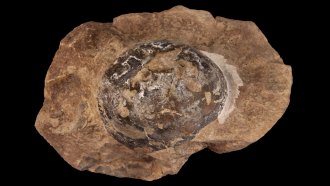
Early dinosaurs may have laid soft-shelled eggs
Scientists for the first time have turned up evidence of fossils from soft-shelled dinosaur eggs. This has scientists rethinking how dinosaur eggs evolved.
- Earth
On an Alaskan glacier, little green moss balls roll in herds
Oval balls of moss, nicknamed ‘glacier mice,’ roll across some glaciers. A new study explores the mysteries behind their herd-like motion.
- Life
For teens, big problems may lead to meaningful research
Several teens who competed at the Regeneron Science Talent Search applied their STEM know-how to solve problems they or their communities faced.
- Fossils
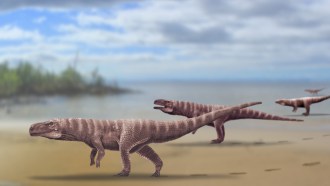
These crocodile ancestors lived a two-legged life
A set of 106-million year old footprints show a crocodile relative appears to have walked on two legs.
- Animals
What you need to know about ‘murder hornets’
Two new specimens of the world’s largest hornet have just turned up in the United States. Here’s what to make of them and other alien-hornet invaders.
- Health & Medicine
Remdesivir is looking even better at fighting COVID-19
New studies suggest the drug remdesivir not only speeds recovery of COVID-19 patients in the hospital, but lowers their risk of death from the virus.