Engineering Design
- Brain
A 2021 Nobel goes for discovering how our body reads touch sensations
David Julius and Ardem Patapoutian found nerve-cell sensors for temperature, pain and pressure.
- Animals
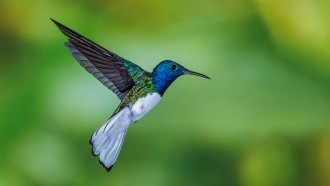
Analyze This: Some female hummingbirds go undercover
Some female white-necked jacobin hummingbirds boast bright blue colors similar to males. That may help females blend in to avoid attacks.
- Ecosystems
Cheatgrass thrives on the well-lit urban night scene
Middle-grade campers team up with ecologists at Denver University to show that streetlights boost the growth of a reviled invasive species.
- Tech
Synthetic trees could tap underground water in arid areas
They also could also help coastal residents mine fresh water from salty sources.
- Animals
Will the woolly mammoth return?
Scientists are using genetic engineering and cloning to try to bring back extinct species or save endangered ones. Here’s how and why.
- Animals
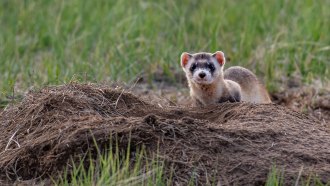
Cloning boosts endangered black-footed ferrets
A cloned ferret named Elizabeth Ann brings genetic diversity to a species that nearly went extinct in the 1980s.
- Brain
Scientists Say: Haptic
Haptic is an adjective used to describe things related to our sense of touch.
- Health & Medicine
Cannabis may alter a teen’s developing brain
Marijuana use between ages 14 and 19 was linked to faster thinning of brain regions important in decision-making.
- Materials Science
Tiny swimming robots may help clean up a microplastics mess
Big problem, tiny solution. Researchers in the Czech Republic have designed swimming robots that can help collect and break down microplastics.
- Brain
Discovering the power of placebos
If you take a fake pill and expect to feel better, you may. Researchers are learning how this placebo effect works and how to use it to help patients.
- Environment
Wildfire smoke seeds the air with potentially dangerous microbes
Studies now show that most wildfires don’t kill microbes. That’s fueling worries about what risks these smoke hitchhikers might pose to people.
- Animals
Analyze This: Sharks aren’t as scary as what you see on TV
In Shark Week shows, scientists found mixed messages about sharks, insufficient research support and little info on conserving endangered animals.