From Molecules to Organisms: Structures and Processes
- Animals
Is it possible to be invisible?
Fiction is full of characters with the power to vanish. But some animals have real-life ways to become nearly invisible.
- Microbes
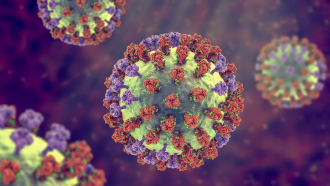
Let’s learn about viruses
Viruses cause a huge range of illnesses, but vaccines can help protect you against these infections.
- Life
Let’s learn about life forms that have survived in space
Moss spores, bacteria and tardigrades have all proved their hardiness outside the International Space Station.
- Brain
Hypnosis isn’t magic. It’s the brain at work
While we still don’t know much about how hypnosis works, it appears to help some people conquer pain, anxiety and other problems.
- Animals
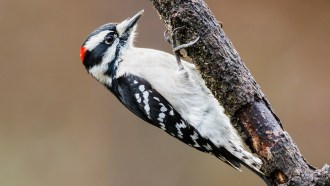
Woodpeckers grunt like tennis players when they peck
The birds grunt like tennis pros when making their rat-a-tat, a strategy that may help steady their movements.
- Psychology
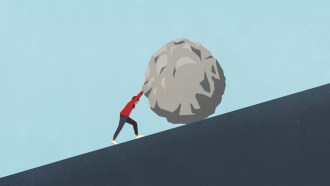
Sometimes the best way to reach a goal may be to quit an old one
We’re surrounded by messages to persevere through all challenges. But science shows that knowing when — and how — to quit is important, too.
- Psychology
Big goals can feel overwhelming. Here’s how to stay on track
Aiming for something big? Break that big goal into smaller, manageable steps. Then narrow your focus. This will keep your eyes on the prize.
- Brain
Brain scans reveal where taste and smell combine to become flavor
Flavor isn’t just on your tongue. Scans show that a part deep in the brain fuses taste and smell into something that’s more than a sum of its parts.
- Science & Society
This game designer shares neurodivergent experiences through gaming
Inspired by her own experiences, Susannah Emery designs games that raise awareness about neurodivergence and social issues.
- Animals
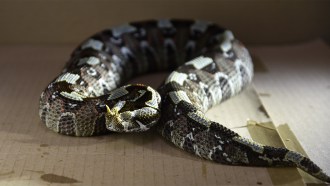
Beware the vipers: These snakes appear to strike the fastest
Other snake species, however, can also attack at amazingly fast speeds, giving stiff competition to some of the slower vipers.
- Humans
How to invent a language — like that of Avatar’s Na’vi
Linguists can choose to follow, mix or break the rules of real-world languages to create interesting fictional ones.
- Genetics
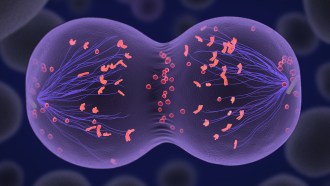
Scientists created human egg cells from skin cells
The technique could someday help people without reproductive cells of their own have children. But much more research is needed.