HS-LS1-2
Develop and use a model to illustrate the hierarchical organization of interacting systems that provide specific functions within multicellular organisms.
- Psychology
Big goals can feel overwhelming. Here’s how to stay on track
Aiming for something big? Break that big goal into smaller, manageable steps. Then narrow your focus. This will keep your eyes on the prize.
- Brain
Brain scans reveal where taste and smell combine to become flavor
Flavor isn’t just on your tongue. Scans show that a part deep in the brain fuses taste and smell into something that’s more than a sum of its parts.
- Science & Society
This game designer shares neurodivergent experiences through gaming
Inspired by her own experiences, Susannah Emery designs games that raise awareness about neurodivergence and social issues.
- Animals
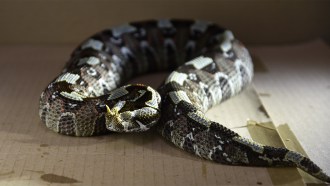
Beware the vipers: These snakes appear to strike the fastest
Other snake species, however, can also attack at amazingly fast speeds, giving stiff competition to some of the slower vipers.
- Humans
How to invent a language — like that of Avatar’s Na’vi
Linguists can choose to follow, mix or break the rules of real-world languages to create interesting fictional ones.
- Life
Award-winning micro-photos depict stunning details of nature
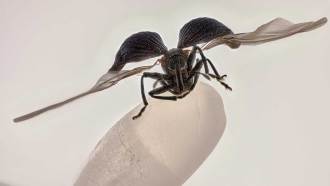
From fluorescent ferns to sprawling neurons, the 2025 Nikon Small World contest showcased the artistry of life as seen through a microscope.
- Brain
Big moments can help you remember little things, too
Emotional events help solidify memories. Scientists think this could someday help students study better or aid recovery of trauma survivors.
- Animals
Some gifted dogs can learn to sort their toys
Among dogs known to be gifted word learners, some can also sort toys by how they are used during play time. It’s one sign of a complex thought process.
- Brain
To our brains, your red is my red
A given color may spark similar brain activity across individuals, new research suggests. This could settle a long-standing debate.
- Humans
This linguist has invented over 20 languages
Margaret Ransdell-Green draws on her expertise in linguistics and music to create new, fictional languages — and sings in them, too.
- Psychology
Connections at school could limit bullying’s harm to mental health
Recently bullied teens with a strong sense of connectedness at school reported fewer signs of depression than those without it, a new study finds.
- Health & Medicine
Short exercise workouts can boost classroom performance
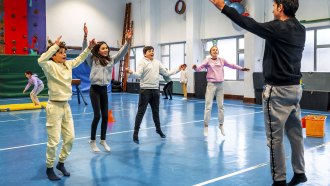
When students spend just nine minutes doing high-intensity interval exercises, their brains can work more efficiently, new data show.