HS-LS2-2
Use mathematical representations to support and revise explanations based on evidence about factors affecting biodiversity and populations in ecosystems of different scales.
- Animals
Virus blamed in starfish die-off
A virus may explains the deaths of millions of starfish along the Pacific Coast of North America. The deaths affect 20 species. Some of the stricken animals appear to melt into puddles of slime.
- Animals
Tiny — but mighty — food-cleanup crews
Discarded food wastes can turn city spaces into food courts for disease-carrying rats and pigeons. But a new study shows tiny cleanup crews — especially pavement ants — are doing their best to eliminate such wastes. This, in turn, makes cities less attractive to bigger pests.
- Genetics
How ‘bugs’ in our bellies impact our health
Gut bacteria can play a powerful role in human health, new studies show. In one, bacteria turned a nutrient in red meat into a chemical that boosts the risk of a heart attack. Another study shows that our genes play a role in whether we are fat or thin, probably by affecting which bacteria prefer to live in our intestines.
- Climate
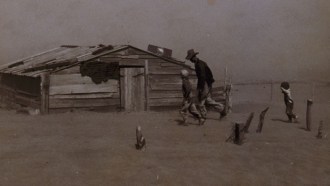
The worst drought in 1,000 years
The 1934 drought, during a period in American history known as the Dust Bowl, was the worst in a millennium, a new study finds. While the drought had natural origins, human activities made it worse.
- Animals
New frog discovered in New York City
This animal could almost be mistaken for the southern leopard frog — until it opens its mouth. The call the males issue has proven unique.
- Animals
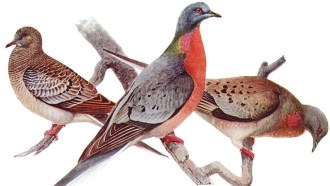
Coming: The sixth mass extinction?
Species are dying off at such a rapid rate — faster than at any other time in human existence — that many resources on which we depend may disappear.
- Animals
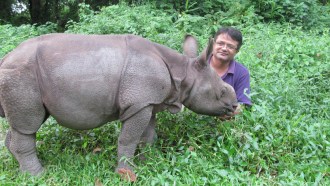
Rare as a rhino
Most species are rare. Some have always been rare. A problem develops when people are responsible for accelerating a species’ rarity to the point that extinction threatens.
- Microbes
Recycling the dead
When things die, nature breaks them down through a process we know as rot. Without it, none of us would be here. Now, scientists are trying to better understand it so that they can use rot — preserving its role in feeding all living things.
- Health & Medicine
Ebola emerges in the Congo
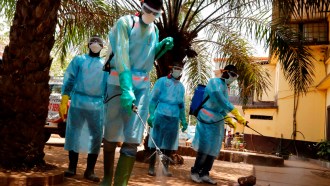
The Democratic Republic of Congo (formerly Zaire) is where the Ebola virus was first discovered in 1976. This nation has just been hit again by the disease. Scientists suspect this is a new and independent outbreak — not a spread of the epidemic ravaging West Africa.
- Health & Medicine
Ebola treatments and vaccines could be near
Using experimental medicines against Ebola might help to slow or end an outbreak in Africa that has defied efforts to control it.
- Health & Medicine
Explainer: What is Ebola?
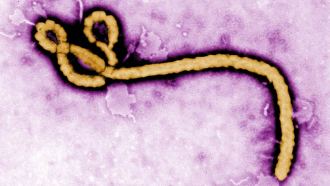
A virus is behind the hemorrhage-inducing infection called Ebola. It causes fevers and often intense bleeding — seemingly from anywhere and everywhere.
- Animals
How termites ‘hear‘ about trouble
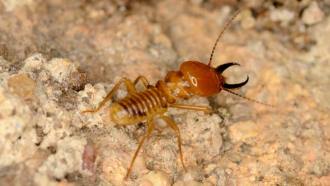
When danger comes too close, termites bang their heads against the walls of their homes. This action sends out a warning vibration that others ‘hear’ with their legs.