MS-ESS3-3
Apply scientific principles to design a method for monitoring and minimizing a human impact on the environment.
- Climate
Changing climate now threatens northern lakes year round
Lakes in northern climes are getting warmer, and that’s not good for people, plants or animals.
- Computing
5G promises new energy savings for digital tech
A new way to transmit wireless communications promises time and energy savings by using networks of smaller cells.
- Computing
Greening your digital life
The less electricity you use while playing video games or using your devices, the less impact you’ll have on climate change.
- Climate
COVID-19 cut pollution in 2020, warming the atmosphere
Pandemic-related lockdowns briefly warmed the planet. The reason: The cleaner air carried fewer planet-cooling aerosols.
- Tech
Training AI to be really smart poses risks to climate
As artificial intelligence models grow larger and consume more energy, experts have begun to worry about their impact on Earth’s climate.
- Agriculture
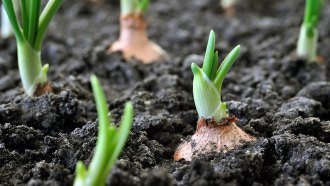
Healthy soils are life-giving black gold
Scientists explain why everyone needs to value the soils beneath our feet — and why we should not view them as dirt.
- Ecosystems
What you can do to improve soils
Soils are the life-sustaining structures under our feet. Here are some tips for keeping soils healthy. First rule of thumb: Give more than you take.
- Climate
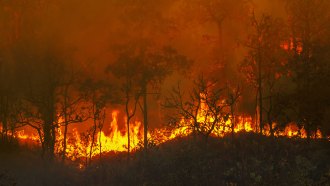
Can wildfires cool the climate?
Severe wildfires are becoming more common. Science is showing that the tiny particles they release into the air can alter Earth’s temperature — sometimes cooling it.
- Climate
Analyze This: 2020 ties with 2016 for hottest year on record
Last year capped the warmest decade on record. It coincided with a growing increase of warming greenhouse gases in Earth’s atmosphere.
- Environment
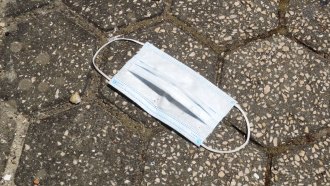
Unmasking the pandemic’s pollution problem
Discarding all the materials people use to protect themselves from COVID-19 has created a growing environmental problem.
- Chemistry
A new catalyst turns greenhouse gas into jet fuel
The catalyst is an improvement over its predecessors. Made of cheap materials like iron, it produces jet fuel in a single step.
- Ecosystems
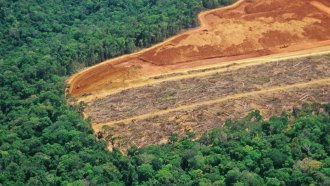
Can people protect as much space as nature needs?
To save biodiversity, nations are drafting a plan to protect 30 percent of Earth by 2030. Up for debate is how best to do that.