MS-ESS3-3
Apply scientific principles to design a method for monitoring and minimizing a human impact on the environment.
- Materials Science
Silk-based microneedles may help treat diseased plants
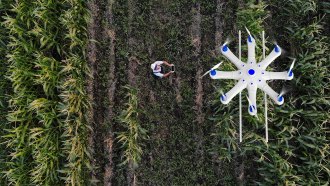
Engineers have invented silk microneedles to inject medicines into plants. One day farmers might use drones to dart their sick plants with meds from the air.
- Earth
Fossil fuels appear to release far more methane than we thought
Ice cores reveal less methane than expected. This suggests today’s fossil fuel industry is responsible for nearly all of the methane emissions from natural sources today.
- Environment
CO2 emissions have nosedived as COVID-19 keeps people home
The COVID-19 pandemic restricted travel that can pollute the air. By April, travel-related daily emissions of greenhouse gases was back to 2006 levels.
- Animals
Pesticides can have long-term impact on bumblebee learning
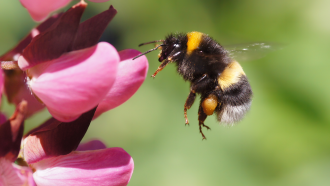
Pesticide-laced nectar and pollen can permanently harm the brains of baby bumblebees.
- Environment
This ‘living’ concrete slurps up a greenhouse gas
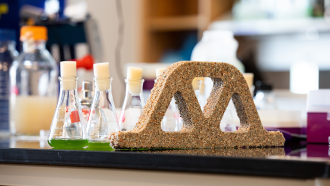
Microbes help harden a mix of sand and gelatin into a living concrete that could interact with people and the environment in great new ways.
- Earth
Laundry tweaks can help clothes last longer and pollute less
Clothes washed in cooler water and for less time shed less dye and fewer fibers, a new study finds. That’s better for clothes — and the environment.
- Animals
Drones might one day capture a dolphin’s breath in midair
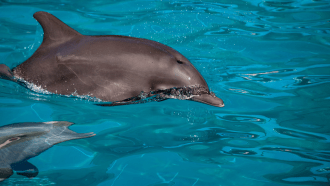
High-speed footage of dolphin spray reveals that droplets blast upward at speeds close to 100 kilometers per hour.
- Chemistry
Help for a world drowning in microplastics
Microplastic pollution in our oceans and lakes is a problem. Scientists are testing solutions — from more biodegradable recipes to nanotechnology.
- Animals
Healthy coral reef sounds attract fish searching for a home
Playing the sounds of a healthy reef can help attract fish to dying corals, helping rebuild their community.
- Climate
5 things to know about the climate-saving benefits of tree planting
A recent analysis of the benefits of massive efforts to plant more trees triggered a firestorm of controversy.
- Environment
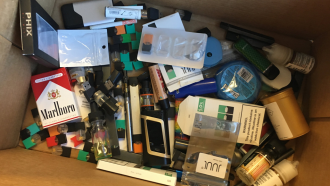
Don’t toss that vape!
Plenty of people talk about potential risks of vaping. But this teen habit also saddles schools with lots of trash — some of it quite toxic.
- Climate
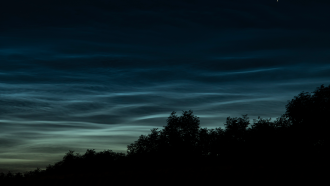
Explainer: Why some clouds glow in the dark
A surprise space rock lit up the night sky over California — and left behind a rare type of cloud. Such glowing beauties may become more common with climate change.