MS-LS1-7
Develop a model to describe how food is rearranged through chemical reactions forming new molecules that support growth and/or release energy as this matter moves through an organism.
- Health & Medicine
Explainer: Taste and flavor are not the same
What’s behind a food’s flavor? More than what we taste, it turns out.
- Earth
Restaurant diners may ingest extra pollutants
People who dine out have higher levels of certain potentially harmful pollutants in their bodies than do people who eat home-cooked meals, new data show.
- Chemistry
Scientists Say: Catalyst
Sometimes a chemical reaction can take a while. If speed is needed, a catalyst can help.
- Health & Medicine
Your gut’s germs may decide whether white bread or whole wheat is best — for you
Surprise! Gut microbes may determine how your body responds to starches in the diet.
- Chemistry
Cool Jobs: Counting calories
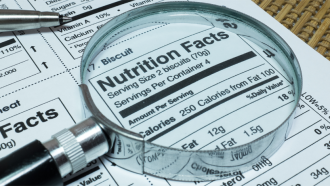
Do calories count? A nutrition label doesn’t tell the whole story. Meet three researchers working to shed light on the complex connections between food and health.
- Health & Medicine
Explainer: All about the calorie
Calories are a measure of how much energy is in a food. But when it comes to powering our bodies, not all calories are equally available to the body.
- Health & Medicine
Why trans fats became a food villain
Trans fats are now known as a dietary villain. But in the beginning, scientists thought they were better than butter.
- Health & Medicine
Zebra finches can ‘drink’ water from their own fat
When water is scarce, thirsty zebra finches can produce their own water. They do it by breaking down their body fat.
- Brain
This supplement makes calorie-rich foods less tempting
A supplement that contains the fatty acid propionate causes the brain to rate high-calorie foods less appealing.
- Health & Medicine
Grandparents’ diet could be a weighty issue for grandkids
Australian scientists have found that fat mice can pass on a heightened risk of obesity to their sons and grandsons.
- Animals
Uh oh! Baby fish prefer plastic to real food
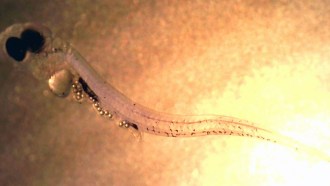
Given a choice, baby fish will eat plastic microbeads instead of real food. That plastic stunts their growth and makes them easier prey for predators.
- Health & Medicine
The cool science of hot peppers
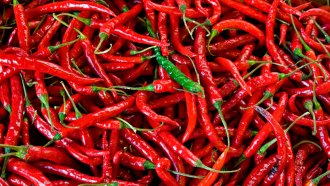
Why are chili peppers spicy? Why does anyone crave food that burns? Uncovering this fiery veggie’s secrets could help fight pain and obesity.