Health & Medicine
The sweet truth about carbohydrates
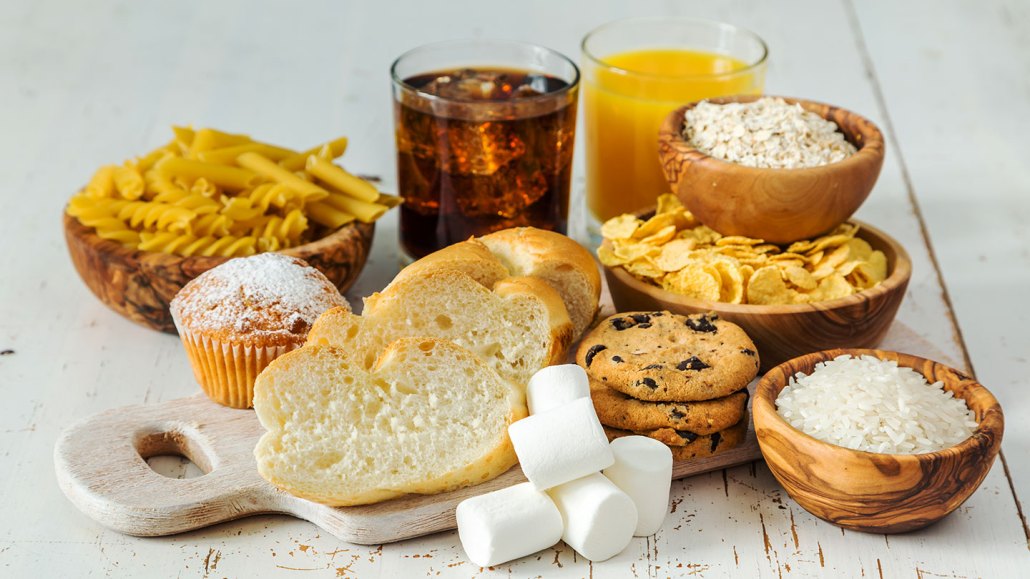
Many carbohydrates are important sources of energy, while others offer little benefit. Learn why not all carbs are the same and how our bodies use them.
Packed with chemical additives, these foods have become a major part of our diets. Scientists have begun to worry about how ultraprocessed foods may impact health.
All proteins are not equal, research is showing. So while most Americans get plenty of protein, they might not be eating the most nutritious blend.
Humans need 13 different vitamins to stay healthy. Most come from the food we eat. Others are made in our bodies.
Our bodies can’t make enough of these tiny but mighty worker molecules. That’s what makes them a dietary essential.
A mini gym for bats shows that vampire bats burn amino acids, rather than the carbs or fats other mammals rely on during exercise.
Extracting protein from insect larvae could lead to a healthful food ingredient — and you never have to bite into crunchy legs or squishy bodies.
Research points to ways we can work to stay healthy, even in the face of germs.
Science reveals the many reasons we are so distracted, from poor sleep and social media to diet and exercise. It also shows us how to take back our focus.
Chemists make a liquid alternative to fossil fuels from carbon dioxide, water and the sun. Their trick? They use a new type of artificial leaf.