MS-LS4-2
Apply scientific ideas to construct an explanation for the anatomical similarities and differences among modern organisms and between modern and fossil organisms to infer evolutionary relationships.
- Animals
How to find the next pandemic virus before it finds us
Wild animals carry viruses that can sicken people. Monitoring those viral hosts that pose the greatest risk might help prevent a new pandemic.
- Fossils
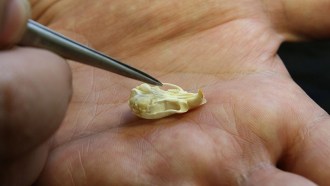
This dinosaur was no bigger than a hummingbird
The skull of one of these ancient birds — the tiniest yet known — was discovered encased in a chunk of amber originally found in Myanmar.
- Archaeology
3-D printing helps resurrect an ancient Egyptian mummy’s voice
A 3-D printed mold of a mummy’s vocal tract reveals what the mummy may sound like today.
- Animals
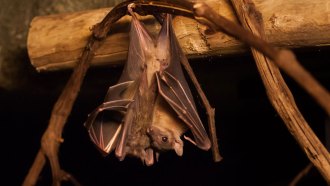
Immune arms-race in bats may make their viruses deadly to people
An overactive immune system may help bats avoid being sickened by many viruses. This may viruses becoming stronger — and deadlier — when they hit other species.
- Animals
Small T. rex ‘cousins’ may actually have been growing teens
Dinosaurs once thought to be mini cousins of Tyrannosaurus rex may have been merely adolescent members of the famous species, a new study suggests.
- Genetics
Serious virus emerges in China and is spreading globally
A new viral infection emerged in December 2019 among people in Wuhan, China. The mystery illness has already killed at least 17 people and sickened many hundreds.
- Animals
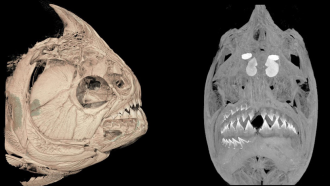
Piranhas and plant-eating kin replace half their teeth at once
Piranhas and pacus shed and replace half of their teeth at a time. New teeth lock together as they push up from the jaw.
- Animals
Blood vessels in their heads kept big dinos from overheating
Giant dinosaurs evolved several ways to cool their blood and avoid heatstroke.
- Animals
DNA tells tale of how cats conquered the world
Ancient DNA study suggests that domesticated cats spread across the ancient world in two waves.
- Archaeology
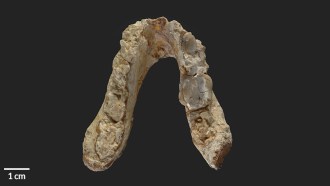
European fossils may belong to earliest known hominid
New fossils suggest that the earliest non-ape human ancestors may have evolved in Europe, not Africa.
- Fossils
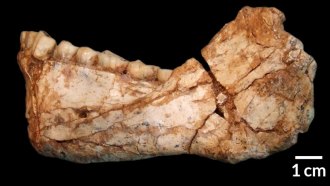
Study claims to have found oldest human fossils
Humans, as a species, may be much older than previously thought. They also may have evolved further North and West of the suspected cradle of human evolution.
- Animals
How the house mouse found its home
Once people started settling down 15,000 years ago, a mouse species followed them indoors. The animals didn’t need people to be farming and storing food.