MS-PS1-1
Develop models to describe the atomic composition of simple molecules and extended structures.
- Chemistry
The periodic table might soon have a new element
A new technique could be used to make the undiscovered element 120.
- Earth
Superman’s kryptonite doesn’t have a true equal on Earth
Though not quite kryptonite, some Earth minerals can glow under ultraviolet light. Excited electrons cause these real-life power stones to light up.
- Materials Science
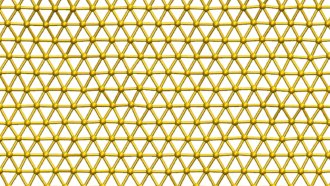
Scientists Say: Goldene
Making this metallic, two-dimensional (2-D) material is difficult — but super-thin sheets of gold could have uses in electronics and chemistry.
- Physics
Experiment: Make your own cents-able battery
Make your own ‘voltaic pile’ with pennies and nickels, and find out how many coins will make the most electricity!
- Tech
Artificial intelligence helped design a new type of battery
Supercomputing and AI cut the early discovery steps from decades to just 80 hours. The process led to a new solid electrolyte.
- Science & Society
Scientists Say: Model
Models are representations of real-life systems or processes that we use to ask questions, make predictions and test our knowledge.
- Climate
Chemists make device to destroy planet-warming methane pollution
It can slash diffuse sources of this extremely potent greenhouse gas, such as from livestock barns and other sites.
- Chemistry
Pollution power? A new device turns carbon dioxide into fuel
Scientists made a device that converts the greenhouse gas into formate. This salt can then run a fuel cell to make electricity.
- Environment
New ultrathin materials can pull climate-warming CO2 from the air
To slow global warming, we’ll need help from CO2-trapping materials. Enter MXenes. They’re strong and reactive — and they love to eat up CO2.
- Materials Science
A new hydrogel could help pull drinking water from the air
The salty gel absorbs more water from the air than similar gels, even in desert climates. This could provide clean water for drinking or farming.
- Earth
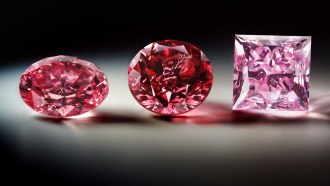
To get diamonds perfect for Barbie, make and break a supercontinent
Most pink diamonds may have formed billions of years ago during the tectonics that led to formation and breakup of Nuna, Earth’s first supercontinent.
- Chemistry
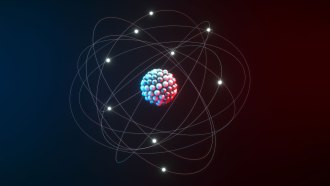
Scientists Say: Valence electrons
These far-out electrons do the hard work when it comes to chemical reactions.