Brain
- Brain
Study links ADHD to five brain areas
A new international study shows that the brains of children with ADHD are different from those in people without this condition.
- Brain
Anxious about math? Your brain may tackle simple problems differently
A study found more variable brain activity in people who get nervous about math problems than those who do not.
- Brain
Scientists Say: Synapse
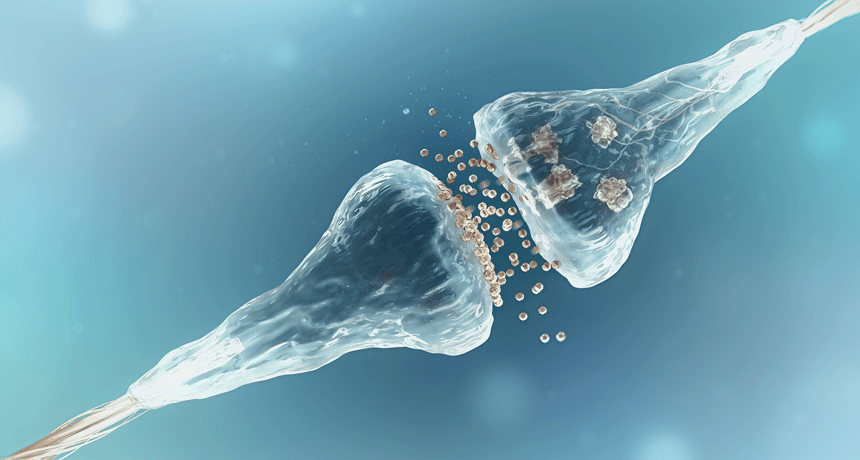
When brain cells need to pass messages, they do it without touching, across a space called a synapse.
- Brain
High-school brain researcher takes home $250,000 prize
Three teens won big in this year’s Regeneron Science Talent Search. They studied brain injury, mathematical models and networks of connections within big data sets.
- Brain
Teens make riskier decisions than children or adults
Teens may make risky decisions in part because they don’t care about uncertainty.
- Health & Medicine
Speaking Mandarin may offer kids a musical edge
Scientists have linked a type of musical ability with the knowledge of Mandarin, the primary language of China.
- Brain
Chewing or breathing sounds make you seethe? Blame your brain
People who can’t stand everyday sounds, such as chewing and breathing. The reason traces to how their brains are wired, new research finds.
- Brain
Heartbeat can affect racial perception of threat
Links between nerves in the heart and the brain shed light on why some police may be more likely to shoot an unarmed person who’s black than one who is white.
- Health & Medicine
Bullying hurts — but peer support really helps
Bullied kids face more mental illness as adults, new studies find. Other research suggests support from other kids can lessen the impacts.
- Brain
Stuttering: Blood flow in the brain may play a role
A new study shows people who stutter have less blood flow to a language center in the brain known as Broca’s area.
- Brain
Explainer: What is dopamine?
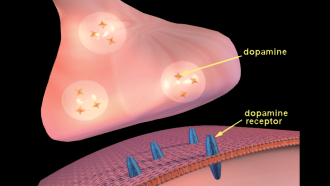
Dopamine is a chemical messenger that carries signals between brain cells. It also gets blamed for addiction. And a shortage of it gets blamed for symptoms of diseases such as Parkinson’s.
- Brain
Explainer: What is neurotransmission?
When brain cells need to pass messages to one another, they use chemicals called neurotransmitters. This sharing of chemical secrets is known as neurotransmission.