Brain
- Brain
Adolescents are brain-dense — and that’s good
Gray matter is densely packed in adolescents, brain researchers now find. This may explain how developing adults cope with decreasing gray matter volume.
- Brain
Tongues ‘taste’ water by sensing sour
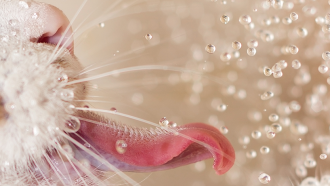
Water doesn’t taste like much, but our tongues need to detect it somehow. They may do it by sensing acid, a new study shows.
- Brain
Scientists Say: Amygdala
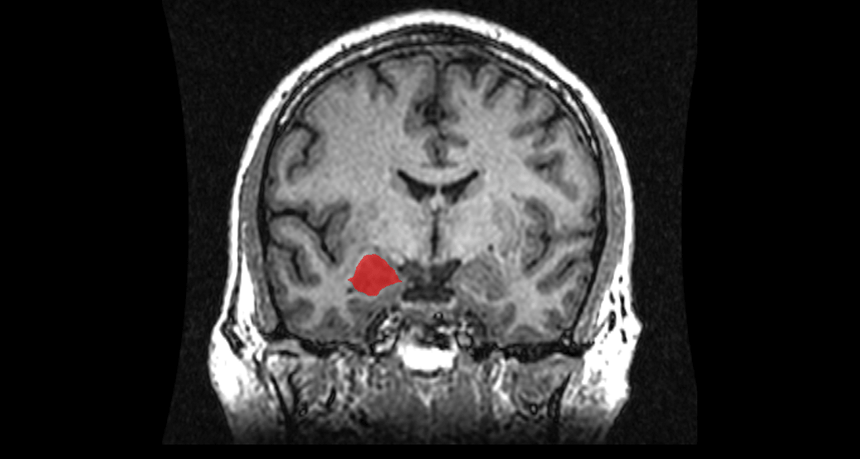
Named after the Greek word for “almond,” the amygdala helps us process emotions, make decisions and form memories.
- Brain
Brains learning together act the same
When students are all focused on the same thing, their brainwaves look the same, a new study shows.
- Brain
When is an epileptic seizure about to strike?
Two high-school research projects suggest ways to identify early warnings of a coming epileptic seizure. This might give people time to free themselves from potentially dangerous activities.
- Brain
Analyze This: Sleep patterns vary widely across the world
Data on four very different groups of people show that sleep patterns vary based on the local environment, the culture and daily schedules.
- Brain
Scientists Say: Hippocampus
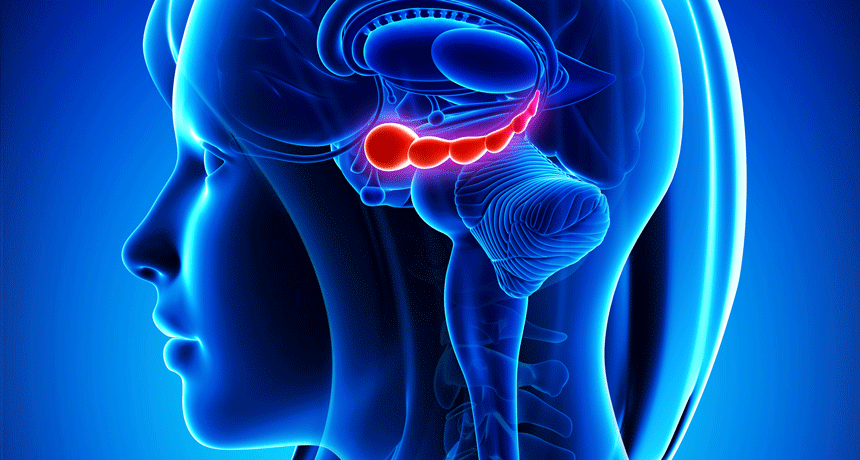
The hippocampus is an area of the brain that is essential for forming new memories.
- Brain
Two brain areas team up to make mental maps
To find your way around, you need to remember where you are and plan ahead. A new study shows there’s a brain area for each task.
- Brain
Just viewing super-size meals can promote overeating
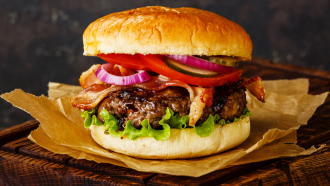
Large portions of food dampen activity in a brain area involved in self-control, a new study shows.
- Brain
Food smells better to sleepyheads
People who want to resist junk foods or overeating may want to make sure they get a good night’s rest. Being tired makes the scent of foods more appealing, a new study finds.
- Brain
Noticing mistakes boosts learning
People who pay attention to their mistakes are more likely to do better the next time, data show.
- Animals
Among mice, scratching is catching — as in contagious
Contagious itching spreads by sight, mouse-to-mouse. Scientists have now identified brain structures behind this phenomenon.