Brain
- Brain
Cool Jobs: Video game creators
Meet an engineer who worked on StarCraft II, an expert building a new kind of reality and a neuroscientist who uses games as brain therapy.
- Animals
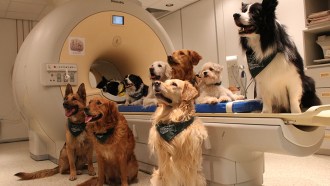
Good dog! Canine brains separate tone of speech from its meaning
Dogs brains divide up the tasks of interpreting words and interpreting emotion. It’s a skill that may have evolved even before people did.
- Brain
One day, computers may decode your dreams
Scientists are learning how to translate brain activity into words and thoughts. This may one day allow people to control devices with their minds.
- Brain
Explainer: How to read brain activity
Electricity underlies the chattering of brain cells. Here’s how scientists eavesdrop on those conversations.
- Brain
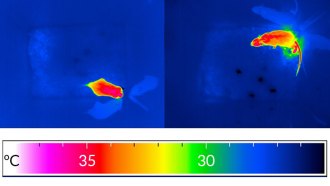
Mice brains hint at how bodies keep their cool
Nerve cells in mice can keep the body cool and may prevent high fevers. The discovery could have implications for obesity and other health issues.
- Brain
This supplement makes calorie-rich foods less tempting
A supplement that contains the fatty acid propionate causes the brain to rate high-calorie foods less appealing.
- Brain
Our eyes can see single specks of light
The human eye can detect a single photon. This discovery answers questions about how sensitive our eyes are. It hints at the possibility of using our eyes to study issues of quantum-scale physics.
- Brain
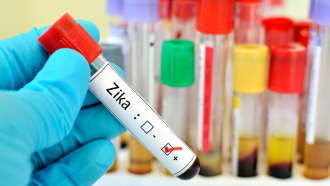
Zika can damage the brains of even adults
The Zika virus can damage a developing baby’s brain. The infection can also kill off an important type of cells in adult brains, a new mouse study finds.
- Brain
Hormone affects how teens’ brains control emotions
Using scans of brain activity, scientists show that surging hormones drive where emotions get processed in a teen’s brain.
- Brain
Gasp! At the movies, your breaths reveal your emotions
Researchers took air samples as they screened movies. What people exhaled were linked to film scenes’ emotional tone, they found.
- Brain
Teen drinking may damage ability to cope with stress
Teens are often tempted to drink alcohol. Drinking too much — and repeatedly — can hurt their ability to manage stress, a study in rats indicates.
- Brain
Mapping word meanings in the brain
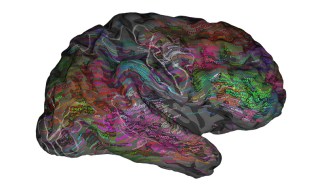
A detailed new map shows that people comprehend words by using regions across the brain, not just in one dedicated language center.