Brain
- Brain
Don’t let math stress you out
New research points to strategies for improving math performance in people who get stressed out by the numbers world.
- Animals
Animals can do ‘almost math’
Humans aren’t the only animals with a number sense. Scientists are trying to figure out where and when it evolved.
- Brain
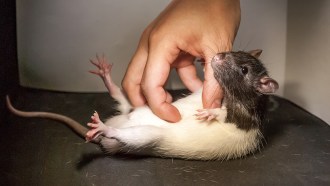
To reveal how the brain creates joy, start by tickling rats
Rats love a good tickle. Not only do they beg for more, but the action itself activates a part of the brain that detects touch, researchers find.
- Brain
What makes a pretty face?
Beautiful faces are symmetrical and average. Do we prefer them because this makes them easier for our brains to process?
- Brain
Lying sets up a liar’s brain to lie more
As people lie more, activity in one brain region falls, a new study finds. It’s an area associated with emotion.
- Brain
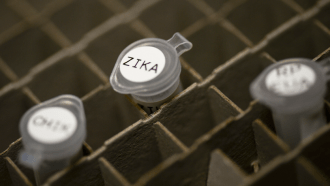
Zika birth defects: Concerns spread from head to toe
Zika infections may trigger problems well beyond babies born with small heads and brains. Scientists have begun linking a range of head-to-toe health ails to the virus.
- Brain
Pain is contagious — at least in mice
Pain can move from one mouse to another. The trigger may be smell.
- Brain
Out-of-whack body clock causes more than sleepiness
When the body’s “clock” doesn’t match the cues its getting from outside, people can feel bad. Researchers are using math to explain this “circadian-time sickness.”
- Brain
Teen brains may have an advantage — better learning
The teen brain is infamous for prizing rewards and encouraging risky behavior. But their reward-driven behavior may help those teens learn some things better than adults.
- Brain
Zombies are real!
Some parasites worm their way into other creatures’ brains and alter their victims’ behavior. Meet zombie ants, spiders, cockroaches, fish and more.
- Brain
These scientists are getting inside your head
You brain might only weigh few pounds, but there’s a whole world in there. Meet the women in science who are digging into the mysteries of the mind.
- Health & Medicine
What is IQ — and how much does it matter?
Studies reveal that intelligence — and success in life — depend on more than what IQ tests measure.