Chemistry
- Chemistry
Nom, nom! These bacteria eat antibiotics for lunch
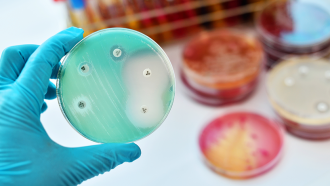
Some soil microbes don’t just break down antibiotics, they can eat them too. Scientists have found one way they do it.
- Chemistry
Ouch! Lemons and other plants can cause a special sunburn
These are among a host of plants (many found in the refrigerator vegetable drawer) that produce chemicals that will kill skin cells when activated by sunlight. The result can be a serious, localized sunburn — sometimes with blistering.
- Chemistry
Electronic noses might replace search-and-rescue dogs
A new type of sensor can sniff out scents that people emit. That might one day help rescuers find people buried under collapsed buildings.
- Chemistry
Diamonds and more suggest unusual origins for asteroids
Inside a meteorite, scientists found sulfur and iron wrapped in tiny diamonds. Those gems hint the rock formed inside a long-lost planet.
- Chemistry
This plastic can be recycled over and over and over
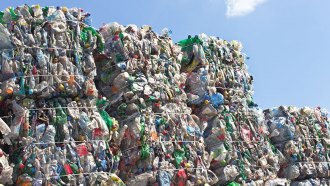
A new kind of plastic is fully recyclable: Unlike current plastics, it breaks down into the exact same molecules from which it was made.
-
- Chemistry
Bioplastics could put some shrimp in your Barbie
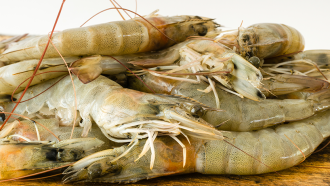
Teen researchers are looking to natural materials like shrimp shells and banana peels to make plastics ecofriendly and biodegradable.
- Chemistry
Asteroids may have delivered water to early Earth
Scientists shot mineral pellets at a simulated planet. It showed an impact wouldn’t have boiled off all of an asteroid’s water.
- Animals
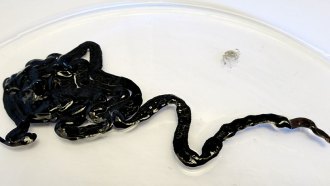
Chemicals from the world’s longest animal can kill cockroaches
The stuff in this sea worm’s slime can kill off green crabs, too.
- Chemistry
Hard-to-burn ‘smart’ wallpaper even triggers alarms
Scientists have made wallpaper that won’t easily burn. And embedded nanowires can be linked to a sensor to sound an alarm when the paper gets too hot.
- Chemistry
Banana plant extract can slow how fast ice cream melts
Food scientists now show that adding these tiny plant particles to ice cream may delay the rate at which this treat melts into a soupy mess.
- Chemistry
Light could make some hospital surfaces deadly to germs
A new surfacing material can disinfect itself. Room lighting turns on this germ-killing property, which could make the material attractive to hospitals.